Electrical Panel Red Flags Homeowners Should Never Ignore
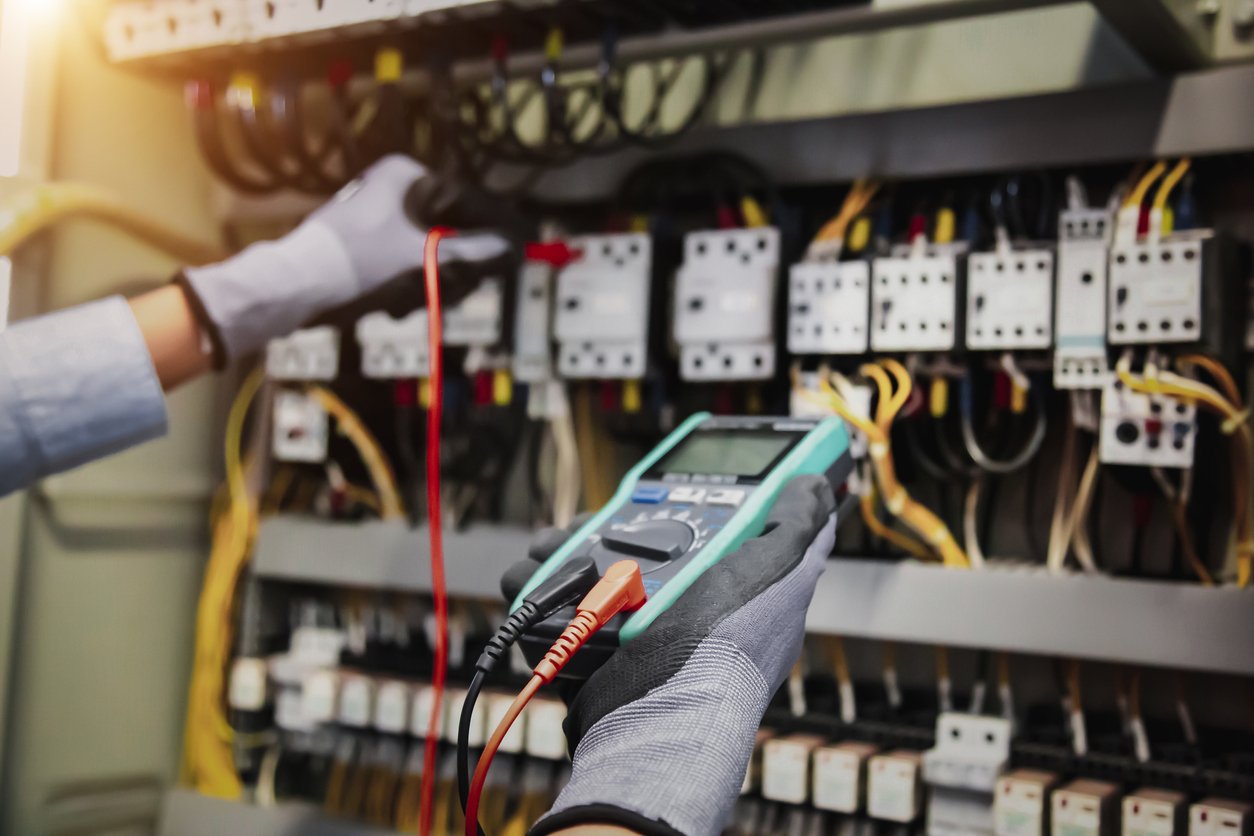
You hear cautionary tales about old electrical panels acting up. As a homeowner, it’s hard to know when you should be concerned about your electrical panel’s age. In reality, age matters less than the condition of your panel. If you notice common warning signs, it’s important to get professional help right away.
Quick Safety Note
You don’t have to open your panel to notice common red flags, such as heat, burning odors, buzzing, or visible damage. If you see these signs, treat it like an emergency. Never tighten connections or change breakers yourself.
What the Electrical Panel Does
An electrical panel is responsible for distributing power to the different circuits in your home. The breakers protect your wiring by tripping as soon as there is a power fluctuation. If there’s an electrical problem in your home, the panel often serves as the canary in a coal mine.
The Warning Signs That Matter More Than Age
As a homeowner, you should reach out for an electrical panel inspection or repairs as soon as you notice the following signs.
Warning Sign #1: Heat You Can Feel
Warmth near the panel door, breakers, or on the wall around them indicates an overloaded circuit or failing breaker. It could also be due to a loose connection creating resistance. You should avoid using heavy electrical loads on the affected circuit and schedule an evaluation.
Warning Sign #2: Burning Smell or “Hot Plastic” Odor
A burning smell, especially during periods of high usage, may mean that there is arcing, overheating insulation, or melted components. This is an urgent problem and a potential fire hazard. If the smell is strong or ongoing, immediately turn off your power if it is safe to do so and call one of our licensed electricians.
Warning Sign #3: Buzzing, Humming, Sizzling, or Crackling Sounds
Any noise that comes from your panel could mean there is arcing, a faulty breaker, a loose connection, or other component problems. Don’t use the affected circuit and schedule your next service appointment.
Warning Sign #4: Corrosion, Rust, or Moisture Evidence
Any corrosion on breaker screws, rust on the panel, dampness, or staining shows that moisture is getting inside. This moisture can cause arcing, corrosion, and poor connections. Water and electricity are dangerous together, so immediately get the problem inspected.
Warning Sign #5: Scorch Marks, Discoloration, or Melted-Looking Plastic
Any dark marks, warped plastic, browning near breakers, or odors from melted wire insulation are signs you need to schedule an urgent service call. These problems can stem from arcing, breaker failure, overheating, or loose lugs.
Warning Sign #6: Breakers That Trip Often or Won’t Reset
If the same breaker keeps tripping all the time or trips frequently in the winter, it could be due to a wiring fault, an overloaded circuit, or a faulty breaker. These malfunctions can also make the breaker feel soft. While resetting the breaker once is fine, you shouldn’t repeatedly reset the same breaker. To ensure your safety, get the circuit evaluated by a professional.
Warning Sign #7: Flickering Lights and Inconsistent Power
When you switch on your HVAC system, dryer, or microwave, the lights shouldn’t flicker, dim, or surge. This symptom means that there are overloaded circuits, loose connections, or more serious electrical problems. Note what causes the problem and call a professional for help.
Warning Sign #8: “Double-tapped” or Cramped-Looking Wiring
Without opening the covers, look at the wiring. If the wiring is messy, there are crowded entry points, or multiple wires are entering oddly, your panel may have past modifications or additions. There could also be capacity-related issues.
This isn’t a DIY problem. To determine whether your panel is safe or not, you’ll need a professional inspection.
Warning Sign #9: You Rely on Power Strips and Extension Cords To Add Outlets
If you feel like you constantly need to use power strips or your breakers constantly trip, your home may have outgrown its electrical distribution. At this stage, it’s time to consider adding a subpanel or new circuits.
Red Flags That Require Immediate Action
Call for help if you notice any of the following signs.
- Burning odors
- Warm or hot panel doors and breakers
- Visible melting
- Smoke
- Moisture in or around your panel
- Scorch marks
- Sizzling or crackling sounds
What Homeowners Can Do Safely Without Opening the Panel
As a homeowner, there are a few things you can do to improve your home’s electrical safety without opening your panel.
- Keep your panel area clear and accessible.
- Pay attention to patterns, such as when you notice tripped breakers and odd smells.
- Reduce heavy loads if you’re experiencing circuit issues.
- Look for sources of moisture nearby.
- Replace the batteries in your smoke and carbon monoxide alarms. If a panel issue causes a fire, you need a functioning alarm.
What a Professional Panel Safety Check Typically Includes
During a typical panel safety check, our team will perform the following activities.
- Evaluate the panel load and map circuits.
- Check for performance and heat problems.
- Inspect the connections for signs of looseness or corrosion.
- Identify damage from moisture and the source.
- Verify the panel’s grounding and bonding.
- Recommend the right upgrade, subpanel installation, repair, or breaker replacement for your family’s needs.
When Replacement Becomes the Smarter Option
In some cases, a basic repair is all we need to do to keep your panel functioning at its best. If you’re experiencing the following problems, a replacement is likely the best course of action.
- Repeated overheating issues
- Signs of arcing
- Major corrosion or moisture-related damage
- Multiple failing breakers
- Unsafe modifications
Many panels were designed for the electrical needs of yesteryear. If your home doesn’t have enough capacity for modern electrical loads, it’s time to upgrade. An upgrade is also essential if you have new electrical needs, like an EV charger, a remodeling project, or a hot tub.
Don’t Wait for a Major Failure
How old your electrical panel is matters less than seeing red flags, such as corrosion, buzzing, odd odors, or heat. If you notice these warning signs, reach out to Rogue Valley for help. Schedule a panel safety evaluation today!
FAQs
Is a buzzing panel always dangerous?
While a buzzing panel might not immediately be dangerous, it is a sign of arcing or other electrical issues. To stay safe, it’s important to schedule an electrical inspection.
Why does the panel smell when the heater or dryer runs?
You may be dealing with an overloaded circuit, a faulty connection, or a malfunctioning breaker. Heaters and dryers pull a lot of power, so they end up adding to the breaker’s existing issues. Any unusual odors are an indication that you should call for help.
Can I just replace one breaker instead of the whole panel?
It depends on the problem. If only one breaker is faulty, an electrician can quickly replace the affected breaker. For more extensive issues, other repairs may be necessary.
What causes corrosion in an electrical panel?
Corrosion occurs when there is moisture intrusion. Because water and electricity are a dangerous combo, you should immediately call for professional help.
How urgent is a warm breaker or flickering lights?
These symptoms often occur because of faulty components or overloaded breakers. Because these issues can cause a fire, you should immediately schedule an electrical inspection.
Summary
Electrical panel problems rarely improve on their own, and delaying service can increase the risk of damaged wiring, power interruptions, or an electrical fire. If you notice heat, unusual sounds, burning odors, corrosion, or frequent breaker trips, have the panel evaluated by a licensed electrician. Rogue Valley Heating, Cooling & Electrical can identify the source of the problem and recommend the safest repair or upgrade for your home. Contact our team to schedule an electrical panel inspection.
Service Request
"*" indicates required fields