How Leaky Ductwork Raises Energy Bills in Southern Oregon Homes
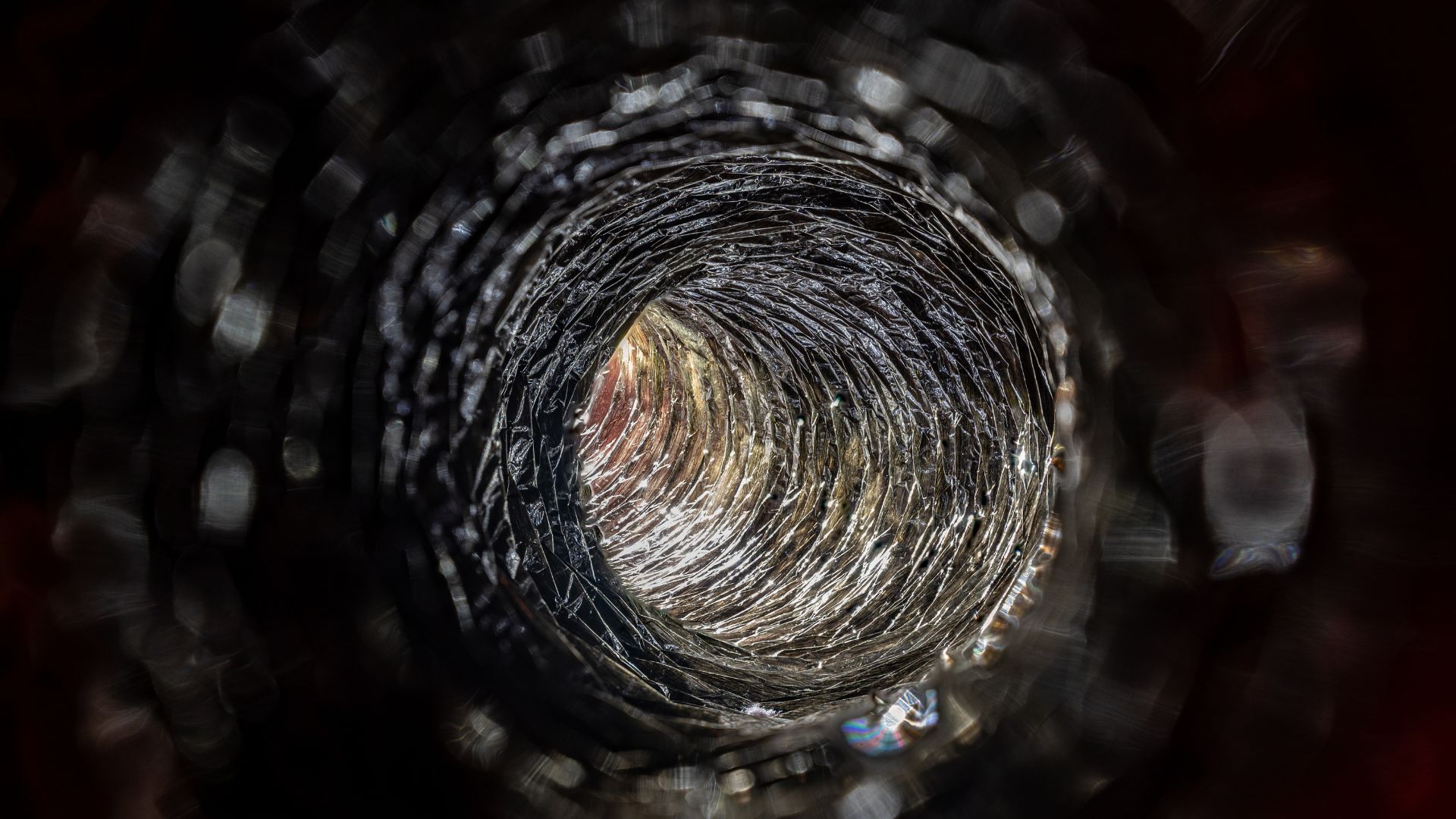
Most people don’t spend a lot of time in their attic, crawlspace, or basement. Within the walls, ceilings, and floors of your home, duct leaks can occur that allow conditioned air to escape.
Even if the leaks are small, energy loss, comfort issues, and indoor air quality (IAQ) impacts can add up.
Over time, duct leaks can increase the strain on your heating, ventilation, and air conditioning (HVAC) system and lead to more frequent repairs. By understanding the signs of duct leaks, you can determine if repairs are necessary and figure out when you need to get help.
Understanding the Role of Ductwork in Your HVAC System
Ductwork is like the lungs of your home’s HVAC system. It transports heated and cooled air to each room. When the airflow is good, you can enjoy the maximum level of comfort, energy efficiency, and system performance.
Unfortunately, duct leaks are a relatively easy problem to miss. Because they are hidden, duct-related problems are easy to overlook.
Where the Energy Actually Goes
With duct leaks, your home’s conditioned air can easily escape into surrounding spaces, such as the attic, crawlspace, wall cavity, or garage. The HVAC system is producing the conditioned air you need, but the conditioned air isn’t actually reaching each room. Because this can affect indoor comfort levels, it’s common for homeowners to adjust their thermostat more often as they try to maintain the right temperature.
How Leaky Ducts Increase Energy Bills
There are several duct-related factors that can influence your energy bills.
Longer Operational Time
Because your HVAC system loses conditioned air through leaks, it must run longer to reach the thermostat setting. Because of this, rooms may take longer to heat or cool.
Added System Strain
When your system has to work harder than it is designed to, this can result in added wear on your coils, blowers, motors, and other HVAC components.
Repeated Energy Loss Loop
Air loss creates an endless cycle of lost energy. Air escapes from the system. Because rooms remain uncomfortable or fail to reach the set temperature, an occupant may adjust the thermostat. In turn, this causes the system to run longer and use more energy.
The Hidden Cost of Invisible Air Loss
Unlike a broken AC or furnace, duct leaks are rarely as obvious. Instead, one of the biggest signs is that your utility bills will gradually rise over time. Often, homeowners assume that the HVAC system is why utility bills keep increasing, but the actual cause is their ductwork.
Common Causes of Air Duct Leaks
In the typical home, there are a few common culprits that are responsible for duct leaks.
Aging Duct Materials and Loose Connections
As ductwork starts to age, it is more likely to crack, separate, or lose its sealing around the joints.
Rodents, Moisture, and Physical Damage
Because ducts run through attics and crawlspaces, they are naturally exposed to pests and moisture. Over time, this leads to a higher likelihood of physical damage.
Poor Original Installation
If the original installation was the wrong size, had weak connections, or was poorly sealed, it can lead to long-term efficiency issues.
Signs Your Ductwork May Be Costing You Money
The following symptoms frequently occur when ductwork is starting to develop leaks and gaps.
- Uneven temperatures in different rooms
- Poor airflow from your vents
- Longer HVAC runtimes
- Increased utility bills without an obvious cause
- Musty odors
- Higher dust levels in your home
- Poor indoor air quality
Why Insulation and Location Matter
When ductwork is installed in a hot attic or cold crawlspace, it will lose more energy if it hasn’t been properly sealed or insulated. Thanks to Southern Oregon’s temperature swings, air loss from your ducts will likely be especially noticeable. By properly insulating ductwork, homeowners can reduce temperature loss as air travels to each room.
Indoor Air Quality Can Also Be Affected
When return ducts have leaks, they are able to pull in more dust, crawlspace air, attic contaminants, and insulation particles. As a result, poor duct conditions can make your family’s asthma and allergy symptoms worse. By sealing your ductwork, you can optimize your energy efficiency and help support cleaner indoor air.
How To Check for Leaky Air Ducts in Your Home
As a homeowner, there are a few steps you can take to detect, locate, and fix minor duct leaks.
Signs Your Ducts Need to Be Addressed
First, look for sections of disconnected ducts or crushed sections. Dusty vents and rooms with poor airflow are signs that your ductwork has leaks or damage.
Locating Leaky Ductwork
While some ductwork is hard to reach, you can visually inspect ducts in your attic, crawlspace, garage, and basement if they are visible. As you stand near the duct, note whether you hear any signs of air escaping. You should also look for any indications of tape failure, damaged insulation, or gaps around joints.
DIY Fixes for Minor Leaks
You may be able to fix small, visible gaps with just HVAC mastic or approved foil tape. However, you should not use standard cloth duct tape because this material will fail over time.
When To Hire a Contractor
If you experience any of the following situations, you should reach out to a contractor for professional help.
- The leaks are hidden or difficult to access.
- Your ducts are crushed or disconnected.
- The ductwork insulation is poor.
- You notice visible mold, moisture problems, or musty odors near the ductwork.
- The home’s ductwork is older.
- Multiple rooms have airflow issues.
- Your home has recurring ductwork issues.
- Even after filter changes and maintenance work, your energy bills remain high.
Repair, Sealing, or Replacement: Which Is Best?
Duct leaks can be fixed through repairs, sealing, or a full replacement. The option you choose will depend on the extent of the problem.
Duct Sealing and Repairs
Our HVAC technicians will seal and repair ducts if the problem involves small leaks or loose joints. If the ductwork is still usable, this is the most cost-effective, energy-efficient approach.
Upgrading to Modern Insulated Ductwork
When the ducts are damaged, old, undersized, or poorly insulated, we may recommend upgrading to modern, insulated ductwork.
Is Duct Replacement Worth the Cost?
Our team will carefully evaluate your ducts to help you decide on the best path forward. In general, a replacement makes more sense when it’s clear that repairs will not solve your airflow, comfort, or energy-loss problems. If insulated duct material is wet or moldy, replacement may be necessary because it may not be cleanable.
Maintenance That Helps Keep Air Ducts Efficient
To avoid duct issues in the future, there are a few things you can do to optimize your efficiency and avoid unnecessary wear.
- Schedule Duct Inspections: A periodic duct inspection helps you spot problems before they lead to costly repairs and lost energy efficiency.
- Replace Dirty Air Filters: Dirty air filters lower your energy efficiency and potentially allow contaminants to get into your HVAC system.
- Keep Vents and Returns Clear: Closed vents and obstructions can block airflow, increasing the strain on your HVAC system.
- Maintain Attics and Crawlspaces: You can reduce the likelihood of moisture and damage risks by cleaning and maintaining your attics and crawlspaces.
- Schedule HVAC Maintenance: Routine tune-ups help your system function at its peak performance, and they help you detect problems before they spiral out of control.
Air Duct FAQs
How much energy can leaky ducts waste?
In a typical house, around 20% to 30% of conditioned air is lost due to leaky ducts and poor duct connections. When air is lost through leaks, your system has to work harder to replace it. This leads to increased wear and higher energy bills.
Can duct leaks increase heating and cooling bills?
Absolutely. The air lost through duct leaks must be replaced, leading to longer, more frequent runtimes and higher energy bills.
How long do air ducts usually last?
It depends on the type. Flexible ductwork often lasts around 10 to 15 years before it needs to be replaced. Meanwhile, ducts made from galvanized steel can last between 20 and 50 years. If your home’s energy bills have risen inexplicably or you’ve noticed uneven temperatures in your home, it may be time to consider duct repairs or a full replacement.
Should air ducts be cleaned or replaced?
It all depends on the extent of the problem. Return-duct leaks can pull in dust, allergens, attic air, or crawlspace air. Because of this, a simple cleaning may not always be enough. By working with our HVAC technicians, you can find out if duct cleaning, sealing, repairs, or a replacement is needed.
Can leaky ducts affect indoor air quality?
Absolutely. Due to the change in air pressure, the leaks can pull in dust and allergens. If leaks or damaged insulation allow moisture problems to develop, mold or mildew may form. By sealing and cleaning your ductwork, you can improve your indoor air quality.
Optimize Your Energy Efficiency
Over time, leaky ducts can slowly raise your energy bills, lower your family’s comfort, and strain your HVAC equipment. Addressing duct issues early helps you avoid costly energy bills and more expensive repair costs later on.
Whether you need a duct inspection, routine maintenance, duct sealing, or ductwork replacement services, we can help. Reach out to Rogue Valley Heating, Cooling & Electrical today.
Service Request
"*" indicates required fields