Generator Transfer Switch Basics for Homeowners
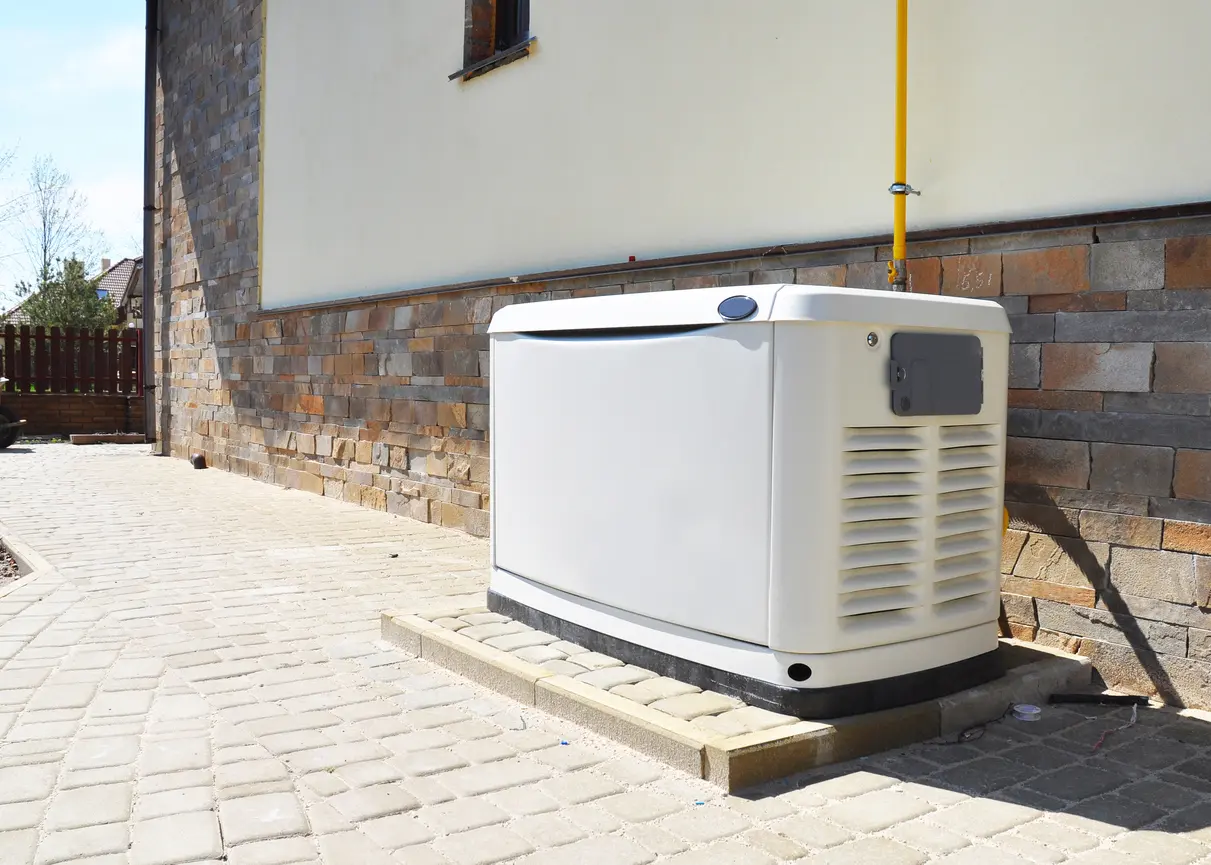
A typical outage can last for hours, and some Grants Pass outages have extended for multiple days. During an outage, having backup power like a generator is essential. For the generator to function properly, it must be connected to your home’s electrical system through a generator transfer switch. To see different switch types, sizing variations, safety concerns, how these switches work in practice, and when you should reach out to a licensed electrician, read on.
What Is a Generator Transfer Switch?
A generator transfer switch controls whether your home receives power from the utility grid or your generator. It is necessary for keeping both power sources from operating at the same time.
Why a Transfer Switch Is Important
From preventing backfeeding to providing backup power, there are a few reasons why transfer switches are a necessary part of your generator installation.
Prevents Dangerous Backfeeding
If you didn’t have a generator switch, it could lead to dangerous backfeeding. This occurs when generator power goes backward into the utility lines. It is a violation of the Oregon Electrical Specialty Code, which requires the use of a transfer switch or other safety devices. Without one, the backfeeding can damage neighbors’ appliances or wiring and seriously injure or kill utility workers.
Protects Your Home’s Electrical System
Eventually, power from the grid will be restored after an outage. When this happens, the transfer switch prevents overloads, fire hazards, and generator damage by preventing utility power and generator power from being connected at the same time.
Makes Backup Power More Convenient
Ultimately, having a transfer switch maximizes the convenience of your generator. Without a transfer switch, you would need to run extension cords to appliances on different circuits.
A generator can also work with hardwired systems, such as your furnace blower, well pump, lighting circuits, and sump pump. Because of this, you can enjoy having a continuous supply of power without the hassle of setting up power cords.
Manual vs. Automatic Transfer Switches
When selecting a generator installation, you can choose to have a manual or automatic transfer switch. While they both perform the same safety function, there are a few differences in cost and convenience.
Manual Transfer Switch
With a manual transfer switch, the homeowner turns on the generator by manually flipping the switch. This tends to be more common with portable generators and low-cost setups. Additionally, manual transfer switches tend to work better when you only need backup for your essential circuits.
Automatic Transfer Switch
If you have a standby generator, it’s likely equipped with an automatic transfer switch. These switches are capable of detecting an outage and switching power automatically. This makes them incredibly convenient if you are backing up your entire home, experience frequent outages, or need immediate power for medical equipment. Additionally, this option is ideal if you travel frequently and can’t manually turn the generator on yourself.
Smart or Load-Managed Transfer Switches
Smart and load-managed transfer switches can switch your home’s power source from the grid to the generator. To prevent the generator from becoming overloaded, they can automatically adjust the load to prioritize your most important circuits and appliances.
Transfer Switch vs. Interlock Kit
A transfer switch and an interlock kit are different, although they both work to prevent unsafe electrical overlaps between the generator and utility grid. Normally, the transfer switch is responsible for selected circuits, although whole-home systems may be able to power your entire home.
In comparison, an interlock kit works through the main panel and involves a sliding plate to block either the main breaker or generator so that they do not operate at the same time. Because it must be compatible with your panel and in accordance with local codes, it’s essential to have a professional electrician set up the kit.
What Size Generator Transfer Switch Do You Need?
The size of the generator switch you need will vary based on the generator’s output, voltage, amperage, and the circuits being powered. Most portable generators run on 30- or 50-amp connections. Meanwhile, whole-home standby systems generally require larger service-rated equipment.
Your switch isn’t the only thing you need to consider. The wiring, breakers, generator, and inlet box all must be compatible for your generator setup to function safely.
Choosing Which Circuits To Power During an Outage
Unless your system is large enough to handle it, you most likely won’t be able to power everything at once. Instead, you’ll need to prioritize which of the following key appliances and electrical systems should receive power.
- Medical equipment
- Refrigerator or freezer
- Garage door opener
- Furnace blower or your heat pump controls
- Well pump
- Sump pump
- Wi-Fi, router, and phone charging
- Key lighting circuits
- Selected kitchen and bedroom outlets
Key Parts of a Safe Generator Connection
For your generator to connect to your electrical systems, a few key components are necessary.
- Generator: The generator creates the power needed to run your appliances and devices.
- Transfer Switch: This switch is responsible for changing your system from grid power to generator power.
- Generator-Rated Power Cord: For the safety of your home’s electrical systems and the generator, you need a power cord that is rated for the generator.
- Outdoor Power Inlet Box: This is a weatherproof box on the outside of the home where you plug in the power cord.
- Main Electrical Panel: Your transfer switch or interlock kit is set up at the electrical panel. The panel is also responsible for transferring power to each circuit in your home.
- Proper Breakers, Wiring, Conduit, and Labels: All of these components are necessary for transferring power from the generator to the selected circuits.
How Transfer Switch Installation Works
Once you decide to set up a transfer switch, our electricians will help you through the following process.
- First, one of our electricians will discuss your backup power goals. We will evaluate your panel and generator to see which switch is compatible.
- Then, you can select which circuits are essential. This will determine the capacity and setup.
- The transfer switch is mounted near your main panel.
- Our electrician installs an outdoor inlet box if you’re getting a portable generator.
- We will verify that the wiring is properly connected and labeled.
- The system will be tested under safe conditions.
- Our team will handle any inspections and permits necessary for your local area.
How To Use a Manual Transfer Switch During an Outage
While an automatic transfer switch will handle the work for you, a manual transfer switch does not. If this is the setup you have, you should start by placing the generator outdoors and away from doors or windows. Then, connect the generator to the inlet box before you turn on the generator.
After allowing the generator to stabilize, you can switch selected circuits to generator power. You should turn each circuit on one at a time to avoid overloading your system. Later, you can safely turn the switch back off and shut down the generator once utility power returns.
Common Mistakes To Avoid
To protect your home and family, avoid the following frequent mistakes.
- Never plug a generator into a wall outlet.
- Never use an undersized cord or the wrong amperage.
- Never power more circuits than your generator can safely handle.
- Never install transfer equipment if you don’t have the right permits or inspections completed.
- Never forget to label your backed-up circuits.
- Never run a portable generator indoors, in a garage, or near open windows.
When To Call a Licensed Electrician
In the following circumstances, you need the help of a professional electrician.
- You’d like to connect your generator to your home’s panel.
- You have an old or already full panel.
- You aren’t sure if you want a manual or automatic transfer switch.
- You want to have a power inlet installed.
- You would like to set up a whole-home backup.
- You aren’t sure what switch size your generator will need.
Generator Transfer Switch FAQs
Do I need a transfer switch for a portable generator?
Not necessarily. While it might not be a requirement, a transfer switch is a more convenient way to switch between grid and generator power. Transfer switches are important because they prevent dangerous backfeeding from happening. They’re also necessary if you’ll be connecting the generator to your home’s electrical panel or wiring system.
Can I use a generator without a transfer switch?
Yes, you can. However, it should never be plugged in directly to your panel or outlet. Instead, you’ll either need to use extension cords or an interlock kit to safely power your home.
What is the difference between a manual and automatic transfer switch?
A manual transfer switch must be manually changed. An automatic transfer switch can detect power outages and instantly switch your power source.
What size transfer switch do I need?
It depends on the amperage you need. One of our electricians can evaluate the essential appliances you want to power, your breaker panel, and other factors to determine the best option. A 200-amp switch is often a good option for whole-home generators, while 30- to 50-amp switches tend to work best for portable generators. However, the right switch must match the generator capacity, service size, and load calculation.
Can a transfer switch power my whole home?
Yes, it can. However, it will need to be a whole-house model that works with a generator large enough to power your entire home.
Is a transfer switch required by code?
An approved transfer equipment or another code-compliant safety device.is always required if your generator will be permanently connected to your home’s power supply.
How often should a transfer switch be tested?
You should follow the manufacturer’s testing schedule, which often involves monthly tests. Additionally, one of our electricians can professionally evaluate the unit during an annual inspection.
Get Help With Your Transfer Switch Installation
When you’re designing a backup power setup, a transfer switch is one of the most important safety features. As a homeowner, you’ll need to decide if you want a manual or automatic transfer switch. You’ll also need to choose which circuits you want to power, whether you want a standby or portable generator, and the sizing you need.
Reach out Rogue Valley Heating, Cooling & Electrical for help with your generator transfer switch installation, electrical inspections, and outage-readiness planning.
Service Request
"*" indicates required fields