How to Prepare Your Home’s Electrical System for Wildfire Season Power Shutoffs
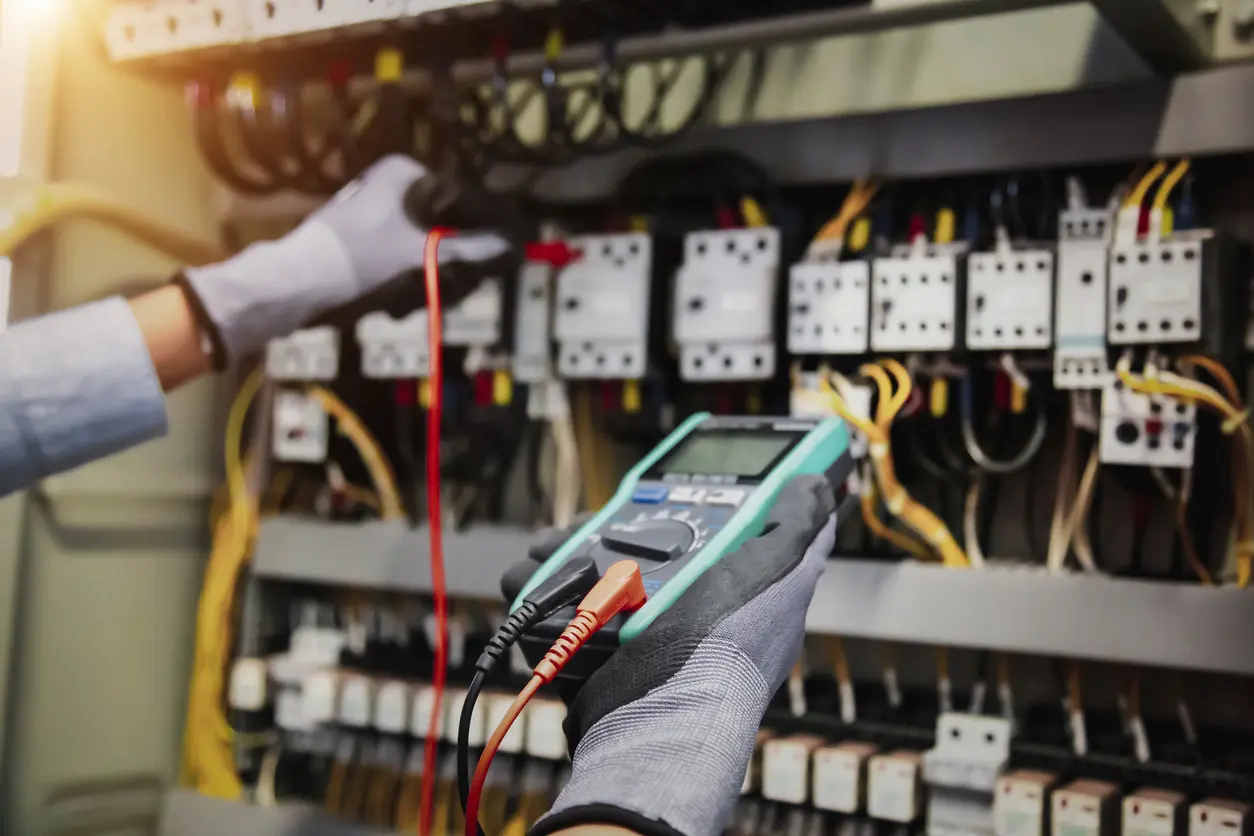
When periods of extreme wildfire risk occur, utility providers perform something that’s known as a public safety power shutoff (PSPS). High winds, low humidity, and dry vegetation make a wildfire more likely, so any spark from electrical equipment can lead to a sudden fire.
A PSPS may help to prevent fires, but it can directly impact your access to refrigeration, home cooling, internet, lighting, well pumps, and medical devices. To keep your family comfortable and safe, you need an electrical plan that helps you minimize the disruption to your day-to-day life.
Why Wildfire Season Power Shutoffs Require Electrical Planning
In wildfire-prone areas, homeowners have to be proactive about managing planned shutoffs and power outages. Setting up a whole-home generator needs to be done in advance because each step in the process takes time. A whole-home generator must be outfitted with a transfer switch to prevent backfeeding. Because of the electrical work involved, a permit is required.
Some homeowners try to take shortcuts by running extension cords, overloading outlets, and creating unsafe generator connections. This type of approach increases the likelihood of backfeeding, fires, appliance damage, and electrical hazards. To keep your home safe, you need to plan and set up your generator system in advance.
Identify Your Essential Electrical Loads
As you decide on the right generator setup, you should also consider what you will be powering. Depending on your family’s comfort, safety, and health needs, you may want to power the following items with your generator.
- The refrigerator and freezer
- Your medical equipment
- Garage doors
- Internet routers and modems
- Well pumps or sump pumps
- Phone charging
- Lighting
- Heating, ventilation, and air conditioning (HVAC) systems
- Security systems
If you are unsure of how much power you need, one of our electricians can evaluate your home and perform a load calculation.
Label Your Electrical Panel Before an Outage
When an outage occurs, you may have to switch off non-critical appliances at the breaker. To make sure you are prepared, you should clearly mark each circuit and any essential appliances that are on it. Adult family members should also be taught how to safely shut off or reset circuits.
Unclear labeling is a significant safety hazard and can increase the risk of electrical accidents. For example, if a breaker is mislabeled, someone may try working on an outlet without realizing that the power to the outlet is still on. Generic or confusing labeling should also be fixed by an electrician for the same reason.
Consider Backup Power Options
If the power grid goes out, the right backup power options can help. Depending on your goals, you may want to make the following upgrades.
- Portable Generator: Portable generators can power appliances using extension cords or, when properly installed, through a transfer switch or interlock system. They are meant to be a temporary alternative for a smaller electrical load.
- Whole-Home Standby Generators: These generators can connect safely to your home and have the capacity for much larger electrical loads. Because of the severe safety risks involved, you should never backfeed your generator into your home’s wiring.
- Battery Backup Systems: With this approach, you can store power in your battery backup instead of using a generator setup.
- Transfer Switches and Interlock Kits: To avoid backfeeding and safety hazards, you need a transfer switch or interlock kit set up if you plan on connecting your generator directly to your home.
- Critical-Load Panels: This type of panel serves as a secondary subpanel. It can reroute your power supply during outages to critical circuits only.
Add Surge Protection Before Power Comes Back On
When power is restored, it can cause voltage fluctuations that can damage computers, HVAC equipment, refrigerators, gaming systems, and other sensitive devices. Through whole-home surge protection, you can protect your appliances and electronics from damage.
Check Outdoor Electrical Equipment
Before wildfire season arrives, make sure the following outdoor electrical equipment is functioning properly.
- Inspect your outdoor outlets, covers, panels, and wiring.
- Test your GFCI protection.
- Trim vegetation and remove debris from around your electrical equipment.
- Replace and repair cracked covers, exposed wiring, and other problems.
Prepare for Cooling Needs During Summer Shutoffs
If a planned outage is about to occur, pre-cool your home to a lower temperature. Closing your curtains and blinds can also help to keep heat out.
Before an outage occurs, family members should know which cooling equipment is able to safely run on backup power. Never assume that a generator has the capacity to power a central AC or heat pump.
Make a Safe Charging and Lighting Plan
As part of your outage plan, you should prepare by charging your battery banks, phones, radios, and medical devices. If you are using a generator or battery, you should never daisy-chain power strips. Additionally, you can prevent fires by opting for LED lanterns instead of relying on candles.
When To Schedule an Electrical Inspection
If you experience any of the following issues, it’s time to schedule a professional inspection.
- You have an aging electrical panel.
- There are flickering lights.
- The breakers keep tripping.
- You need an upgrade, like a generator backup, battery backup, or transfer switch.
- Your home relies on a well pump.
- A loved one is dependent on powered medical equipment.
Prepare Your Home for Power Shutoffs
If you want to prepare your home for wildfire power shutoffs, you need to do more than stockpile bottled water and flashlights. A safe electrical plan will support your family’s comfort and ensure your essential equipment keeps running.
Book a backup power consultation with Rogue Valley Heating, Cooling & Electrical today.
Service Request
"*" indicates required fields