Why Are AC Vents Sweating? Causes and Fixes
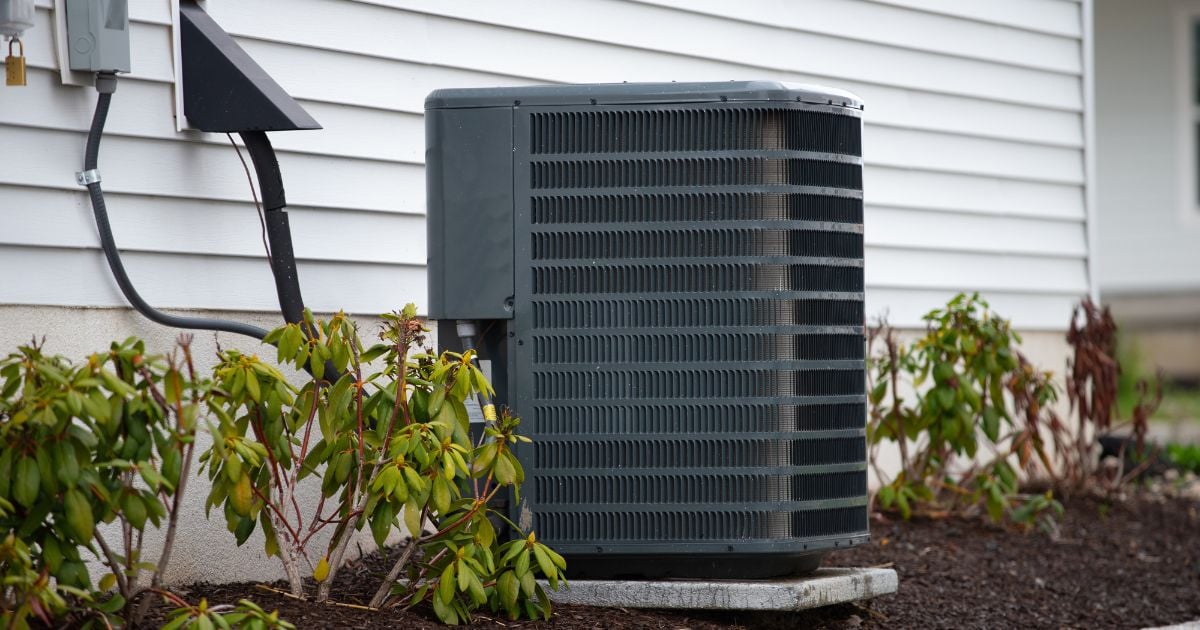
When you’re just trying to keep cool during an Oregon summer, it can be unnerving to see water building up around your AC vents. While this can appear concerning, it is likely due to a normal condensation process. However, there are instances where it may be cause for concern, so it’s essential to understand which signs to look for and what to do.
Why Sweating Vents Get a Homeowner’s Attention Quickly
Although sweating vents are a fairly common problem, they are more than just a cosmetic issue. If the sweating continues, it can cause staining, rust, and mold.
As a homeowner, it’s important to pay attention when you see ceiling stains around registers, beading water, or water dripping from supply vents. All of these are signs that you may have a future mold and rust problem on your hands.
Why AC Vents Sweat in the First Place
Before we cover what you should do about this issue, let’s first look at why vents start to sweat in the first place.
Warm Humid Air Meets a Cold Vent
The basic reason why vents sweat is because of how cold your ducts and vents get. When your warm indoor air meets the cold surfaces around the vent, it causes the moisture in the air to turn into a liquid. Interestingly, the same dew point principle is the reason why you’ll sometimes see dew on your car or the grass in the morning.
Why Humidity and Vent Temperature Both Matter
This situation can happen if your indoor air is excessively humid, your vents are extra cold, or a mixture of both factors is in play. Because the cause can vary, it’s typically a good idea to get this problem checked out by a professional heating, ventilation, and air conditioning (HVAC) technician.
Most Common Causes of Sweating AC Vents
Before we dive into the potential repair and maintenance options that can solve this problem, let’s review some of the most common reasons why AC vents start to sweat.
High Indoor Humidity
Condensation is more likely when indoor humidity is elevated. While this can be due to high humidity levels outside, there are many indoor sources of moisture as well. Bathing, cooking food, boiling water for tea, and leaks can increase your indoor moisture. This is one of the reasons why it’s so important to use exhaust fans whenever you cook or bathe.
Dirty Filter or Low Airflow
When an air filter becomes dirty, it restricts airflow. This causes the evaporator coil to become too cold, leading to excessively cold air and vents. In turn, this increases the risk of condensation forming.
Leaky or Poorly Insulated Ducts
In a typical American house, around 20% to 30% of the air that passes through a home is lost through leaks, holes, and gaps in the ductwork. This allows the conditioned air to escape and interact with the warmer air in your crawlspace or attic, which can cause condensation to form.
Similarly, poor insulation around your ducts can lead to a significant difference in temperature between the cool air passing through and the air in the surrounding space. Because of this, moisture in the air can begin to condense.
Oversized or Malfunctioning AC Equipment
If your equipment is oversized, it may experience short cycling. This happens because it cools the air too quickly and shuts off, which stops it from removing an adequate amount of moisture from the air.
Likewise, poor humidity control or abnormal cooling behaviors can lead to excess moisture in the air. Before long, these issues can lead to sweating around your AC vents.
Frozen Coil or Drainage-Related Problem
Coil icing or condensate drain line problems can lead to moisture developing around your unit. Both of these problems can often be prevented or alleviated through routine AC maintenance.
What Homeowners Can Check First
As a homeowner, there are a few DIY checks you can perform before you call for professional help.
Start With Filter, Vents, and Returns
First, check your air filter and see if it needs to be replaced. You should also look for other indications of potential airflow problems, such as obstructed supply or return vents.
Look at Humidity Clues Inside the Home
When the problem is due to your indoor humidity levels, it’s important to determine the source. Look for foggy windows, poor bathroom ventilation, and muggy rooms.
Check for Attic or Ceiling Clues Around the Vent
If your attic or ceiling is letting in outdoor air through gaps, it could be causing the problem. Similarly, you should check for any missing insulation, loose registers, and duct leakage.
How To Tell if the Issue Is High Humidity or Vents That Are Too Cold
To determine if the cause is high humidity or excessively cold vents, consider the following signs and symptoms.
Signs Humidity Is the Main Problem
Homeowners can figure out if humidity is the underlying cause by checking for the following signs.
- The room feels excessively muggy.
- Multiple vents in your home are sweating.
- There is moisture at other locations in your house.
Signs the Vent or System Is Running Too Cold
Meanwhile, the following symptoms are an indication that either your vents or your AC system is running too cold.
- You have poor airflow in your home.
- Your equipment performance has declined.
- Your evaporator coil has frozen.
Problems Sweating Vents Can Lead to if Ignored
Once your vent starts sweating, it’s important to address the problem right away. Otherwise, it can lead to a range of other issues.
Cosmetic and Indoor Air Quality Damage
Over time, higher moisture levels can lead to mold growth, peeling paint, stains, and rust. The added mold in your home can be especially difficult for loved ones who suffer from allergies, asthma, or other respiratory issues.
Comfort and Energy Problems
More importantly, sweating vents mean that there is a problem with your indoor comfort level. To experience this problem, there is likely an issue with your humidity control, airflow, or overall efficiency. Besides negatively impacting your family’s comfort, all of these problems can also result in higher energy costs.
Fixes a Professional May Recommend
If you are experiencing a problem with moisture around your vents, one of our experienced HVAC technicians can help you diagnose and repair the underlying cause.
Airflow and Duct Repairs
Airflow issues are common reasons why condensation may occur. To remedy this problem, we’ll start by testing for duct leaks and sealing your ducts. We’ll also make sure the ducts are properly insulated.
Our HVAC technician will also check your filter and replace it as needed. If a clogged filter has caused the evaporator coil to become dirty, we can also clean the coil.
Humidity-Control or Equipment Updates
If humidity is the cause of your indoor condensation, our team can start by checking your condensate drain line for clogs and correcting the drain. We will also calculate your cooling load requirements to determine if your AC is the wrong size for your home.
As a part of our routine inspection and tune-up, a technician will check your refrigerant levels to determine if they are low. If they are, we’ll find the source of the leak and repair it. Afterward, we can recharge your refrigerant so that your system functions normally again.
FAQs
Why are my AC vents sweating even when the house feels cool?
This happens when your humid indoor air meets extremely cold air around the vent. The added coolness around the vent causes moisture in the air to condense and become a liquid.
Can a dirty air filter cause AC vents to sweat?
Absolutely. If the air filter is dirty, it reduces airflow and causes the evaporator coil to become too cold. In turn, this overcools the air. As soon as this over-cooled air meets any warmer, more humid air, the water vapor present will turn into a liquid.
Are sweating vents dangerous?
They aren’t an immediate danger, but they can become hazardous over time. Besides staining and damaging your ceiling, sweating vents can cause mold to grow. This can be dangerous for your family’s respiratory health.
It’s also important to note that sweating vents can occur because of an underlying mechanical issue with your HVAC system. If this problem is not addressed, it can lead to lasting damage or an unexpected HVAC failure.
How do I stop AC vents from sweating?
There isn’t a single one-size-fits-all approach to preventing this problem. Instead, you have to discover the underlying cause and fix it. For instance, changing an air filter and cleaning your evaporator coil can prevent the coil from cooling the air excessively. In turn, this can prevent sweating vents.
How To Address Sweating AC Vents
Determining the underlying cause of sweating vents can be challenging. By partnering with Rogue Valley Heating, Cooling & Electrical, you can quickly diagnose your humidity, airflow, and duct issues. Our experienced technicians offer same-day services and 24/7 emergency support, so you can enjoy better peace of mind.
Give us a call today to learn more about our AC repair services.
Service Request
"*" indicates required fields