Furnace Gas Valve Troubleshooting: Common Problems and Fixes
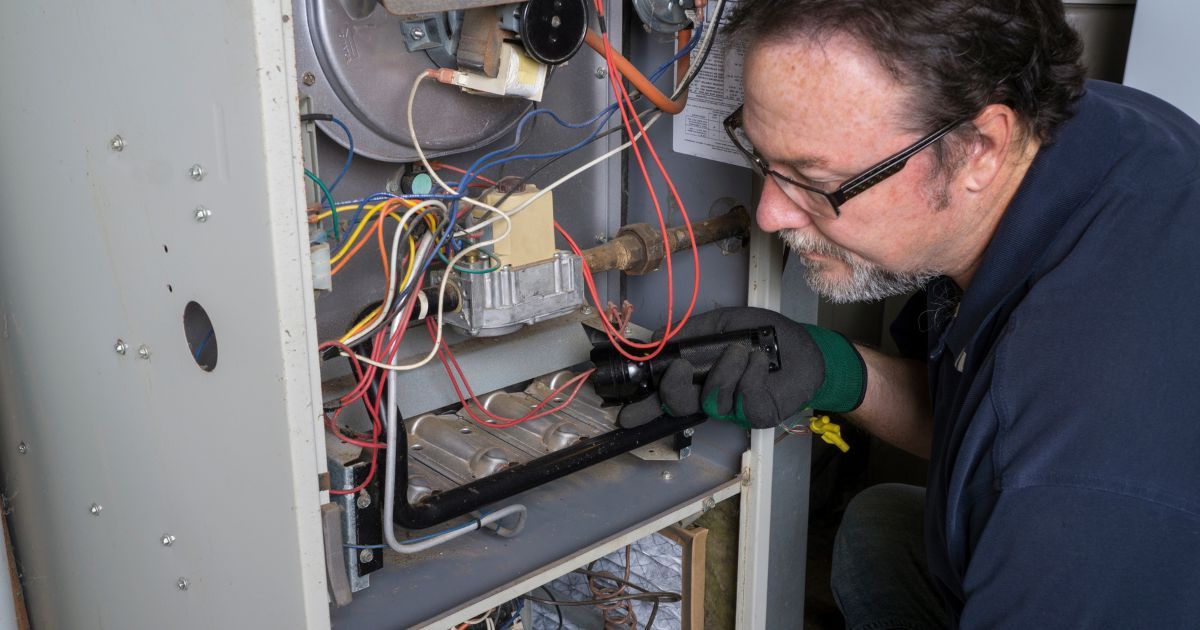
Within your furnace, the gas valve is responsible for controlling the amount of fuel that flows to your burners. When there are gas valve issues, it can lead to short cycling and prevent ignition from happening. Because this is a serious safety issue, you should immediately seek help once you notice this problem. Homeowners should never attempt gas valve replacements or internal gas adjustments on their own.
What Does a Furnace Gas Valve Do?
The gas valve controls the amount of fuel that goes to your burners. It is a safety mechanism that prevents leaks and ensures the right level of ignition.
How the Gas Valve Works During the Heating Cycle
The gas valve is an integral part of your furnace’s heating cycle. When everything is working properly, the gas valve is involved in the following steps.
- Your thermostat signals your furnace to start heating.
- The control board is responsible for triggering the gas valve and igniter to start.
- When everything is ready, the gas valve opens and releases gas.
- The burners light and burn the gas to heat your home.
- Once your home reaches the right temperature, the thermostat and control board signal the gas valve to close.
Why Gas Valve Problems Can Stop Your Furnace From Heating
If the gas valve isn’t working, it can stop gas from being released. When the burners don’t have gas to burn, they can’t heat your home properly.
Signs of a Furnace Gas Valve Problem
Often, you’ll notice right away if you have gas valve issues.
- Furnace Not Igniting: The most obvious sign is that your furnace won’t ignite. If gas isn’t released, the igniters have nothing to ignite.
- Burners Fail To Stay Lit: Similarly, no or low gas can lead to burners that don’t stay on.
- Clicking but No Flame: If the gas valve isn’t working properly, you may hear clicking noises as the igniters try to ignite. However, there won’t be a flame if no gas is present.
- Intermittent Heating: A malfunctioning valve may cause gas levels to fluctuate, leading the flame to go out. When this happens, the heating system may switch off and start short cycling. Additionally, a faulty gas valve can cause your furnace to refuse to start. If this is the case, it will display an error code as well.
- Gas Smell or Delayed Ignition: When the gas valve isn’t closing properly, you may notice the smell of sulfur as gas is released. Similarly, a valve that is slow to open may lead to delayed ignition. Both issues are major safety hazards, so you should get your furnace inspected right away.
Common Causes of Gas Valve Problems
There are a few frequent issues that can cause the gas valve to malfunction.
- Electrical Failure in the Valve: The gas valve has internal solenoids that are responsible for opening the valve. Damaged wiring and other electrical failures can prevent the solenoids from signaling the valve to open.
- Dirty or Failing Flame Sensor Causing Gas Valve-Like Issues: The flame sensor is a safety feature that verifies the flame is present. If there isn’t a flame present, the sensor cuts off the gas supply. When the sensor is dirty or faulty, it may fail to detect a flame when one is present, causing the gas supply to shut off.
- Control Board or Thermostat Signal Issues: The control board and thermostat must signal the valve to open. If they don’t relay this signal, the valve will seem like it’s not functioning properly.
- Gas Supply Interruption: If the gas supply is too low, it may be impossible for the valve to operate. Alternatively, the amount of gas released may be too low to produce a strong flame.
- Age-Related Valve Failure: Like other mechanical components, gas valves can eventually fail.
What Homeowners Can Safely Check First
Gas components are dangerous to inspect and repair on your own, so leave any gas-related tasks to the professionals. However, there are a few other troubleshooting tips you can safely use before calling for repairs.
- Confirm Thermostat Is Calling for Heat: First, make sure the thermostat is set to the right mode and temperature.
- Check the Furnace Switch and Breaker: Verify that the breaker switch hasn’t tripped. Reset it as needed. If it trips again, there is an underlying problem that must be repaired by a heating, ventilation, and air conditioning (HVAC) technician.
- Verify the Gas Shutoff Valve Is On: The gas valve is open when the handle is parallel to the pipe. If the valve does not open, call for furnace repairs. Do not attempt to open it yourself.
- Look for Blinking Error Codes on the Furnace Board: Check for error codes. Then, look in your user guide to see what the code means.
- Replace a Dirty Filter if Airflow Issues Are Contributing to Shutdowns: Clogged filters can lead to overheated furnaces and safety shutdowns. To troubleshoot this issue, clean or replace your filter.
What Not To Do When You Suspect a Bad Gas Valve
For the safety of your home, family, and HVAC system, never do the following things if you think there may be a bad gas valve.
- Do Not Force the Valve Open: Never force a stuck valve on your own. If too much gas is released, it can ignite all at once and cause injuries.
- Do Not Bypass Safety Controls: Safety controls exist for a reason. Instead of bypassing these controls, call for help.
- Do Not Try To Disassemble Gas Components: Never try to repair, replace, or inspect gas components on your own.
How a Technician Troubleshoots a Furnace Gas Valve
When our HVAC technicians come to your home, there are a few things we can do to troubleshoot your gas valve issues.
- Testing for Proper Voltage to the Valve: After we arrive, we’ll quickly test the voltage to make sure the solenoids are getting enough electricity to trigger the valve to open.
- Confirming Igniter and Flame Sensor Performance: We will clean the flame sensor and make sure the igniter is working properly.
- Checking Gas Pressure and Burner Operation: Our HVAC technicians will check the gas pressure released and verify that the burners are operating properly.
- Determining Whether the Valve or Another Component Is Actually at Fault: By conducting performance tests and inspecting the furnace’s components, we can figure out if the valve or a different component is responsible for the symptoms you’re experiencing.
Common Fixes for Gas Valve-Related Furnace Problems
The right solution depends on the cause of your gas valve-related issues. Before we do any repairs, we’ll always review the problem and discuss our recommendations with you.
- Restoring Power or Correcting Thermostat Issues: Sometimes, the solution is as easy as turning the breaker switch on or changing the thermostat settings.
- Cleaning or Replacing the Flame Sensor: If the flame sensor is dirty or malfunctioning, we can clean or replace it.
- Repairing Wiring or Control Board Issues: Our team can fix faulty wiring and control board problems, so the control board can signal your valve to open.
- Replacing the Gas Valve When It Has Failed: If the gas valve has genuinely failed, our team can quickly replace it so that you can enjoy a warm, comfortable home again.
When To Shut the Furnace Off and Call Immediately
We recommend immediately shutting off your furnace and calling for help as soon as you notice any of the following signs.
- Gas odors
- Delayed ignition
- Loud noises during ignition
- Repeated lockouts
- No heat during freezing temperatures
How To Prevent Gas Valve and Ignition Problems
To avoid future valve and ignition problems, we recommend performing the following steps.
- Annual Furnace Tune-Ups: Ideally, homeowners should schedule their annual tune-ups each fall before the weather gets cold.
- Burner Cleaning and Safety Inspections: During the tune-up, our team will inspect your furnace for safety issues and clean the burners.
- Early Diagnosis of Intermittent Heating Issues: Most furnace failures don’t happen without some type of warning. As soon as you notice performance issues, odd noises, weird smells, or inexplicably high energy bills, you should reach out for professional repairs right away.
FAQs
Can a furnace gas valve be repaired?
For safety reasons, it is generally better to replace the valve completely.
How do I know if it is the gas valve or the flame sensor?
When the valve is the cause, ignition often won’t occur at all. If the flame sensor is the problem, the flame will ignite briefly before turning off.
Is a bad gas valve dangerous?
Absolutely. The valve is a safety feature that is responsible for releasing the exact amount of gas your furnace needs. If too much gas is released, it can lead to gas leaks and fire hazards.
Service Request
"*" indicates required fields