Furnace Repair vs. Replacement: 5 Tips to Help You Decide
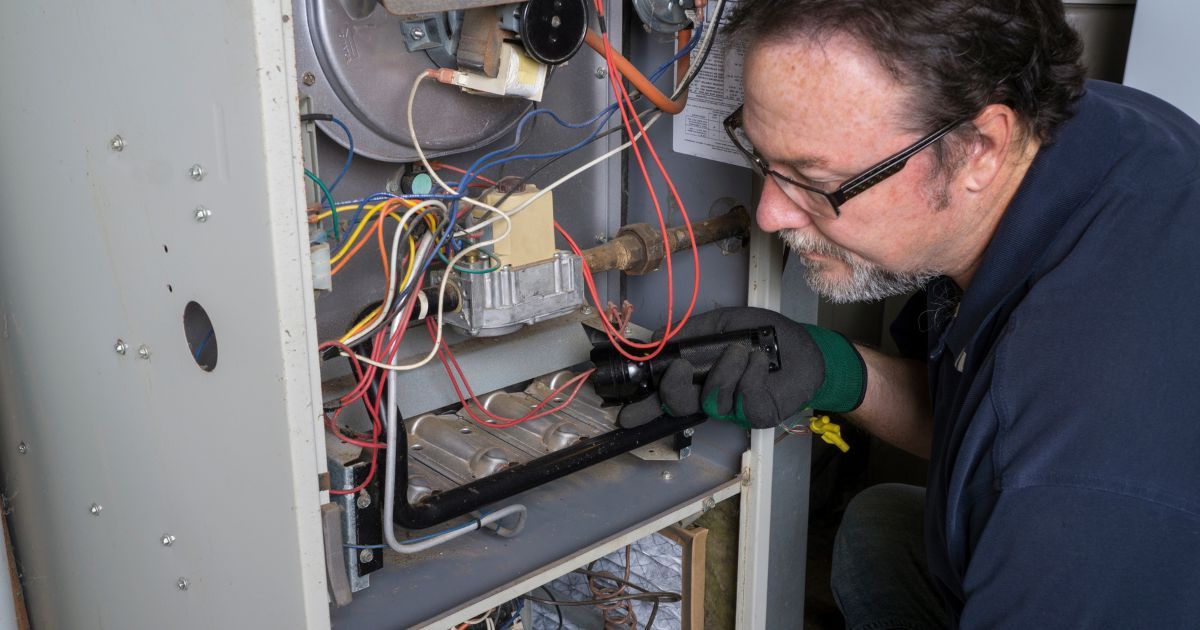
It’s the middle of a frigid winter night, and your furnace stops working. You’re left to choose between overpaying for a repair that won’t last forever or replacing a unit that could have been fixed. When disaster strikes, Rogue Valley Heating, Cooling, & Electrical offers same-day services, upfront pricing, and clear recommendations about what’s best for your home. We’ll give you the tools you need to make a decision without any pressure.
Quick 60-second Decision Guide (Before We Dive Into the Tips)
A repair is often the best choice if the following things are true.
- Your furnace is relatively new and generally dependable.
- This is the first major problem you’ve had in a while.
- The repair is relatively inexpensive and straightforward.
- You need to buy time before getting a replacement, and the unit is still safe to operate.
However, a replacement is typically the best course of action in the following situations.
- The furnace is older and requires frequent repairs.
- You’re experiencing comfort or performance issues, as well as rising energy bills.
- A major component is failing.
- You want to improve your energy efficiency and reliability.
- You would like to have fewer unexpected breakdowns.
Tip 1: Start With Safety and the Type of Failure
Before doing anything else, first consider potential safety issues. If you notice the following problems, you should always schedule a professional inspection immediately. Additionally, a replacement quickly becomes the smartest option if there are any problems with combustion or core safety issues.
Call for help if you notice the following signs.
- Repeated shutdowns, especially ones that occur immediately after ignition
- Gas odors, burning odors, soot, or carbon monoxide detector alarms
- Yellow or flickering pilot flames, if the unit has a pilot light
- Visible corrosion or rust
- Any signs of overheating
Tip 2: Consider the Age of the Furnace and Its Track Record
Think about how many times you’ve required furnace repairs in the last one or two seasons. A reliable, well-maintained unit can often be repaired. If your furnace is older or has a history of breakdowns, replacements are a more cost-effective option in the long run.
Tip 3: Compare the Repair Cost to the Value of Replacement (Without Guessing)
As a general rule of thumb, you should reconsider repairs if the repair will cost a significant portion of what a replacement would cost.
Performing a one-time, minor repair tends to be a good option. However, investing in expensive repairs on an older unit often means you’re simply throwing good money after bad.
To consider the overall cost, look at:
- The repair estimate
- The chances of more repairs this season
- Your energy bills and whether they’ve been climbing
- The furnace’s warranty
Tip 4: Watch for Reliability Problems That Point Toward Replacement
There are a few key signs that a replacement may be the best option for your home.
- You’ve had to do multiple repairs in one season.
- The performance is uneven, with some rooms cold and other rooms excessively hot.
- There are loud noises.
- The unit cycles on and off constantly.
- When temperatures drop, the furnace struggles to keep up.
Tip 5: Look at Your Energy Efficiency, Comfort Goals, and Plans for the Home
You should also consider your long-term plans, energy-efficient requirements, and comfort goals. For example, a replacement is a good idea if you want a quieter, more energy-efficient unit or better airflow. Getting a new furnace also means you’ll experience less winter anxiety, fewer emergency calls, and better comfort.
Ask yourself the following questions to determine if a replacement fits into your long-term plans.
- Will you be remaining in your home for several more years?
- Do you plan on doing any renovations that involve windows, ductwork, or insulation?
- Are you planning on selling your home soon and want a reliable, updated system?
If planning for your replacement is challenging, our flexible financing options and professional estimate can help. We can help you review all of your options, so you get the right system for your desired efficiency and the required sizing.
Repair vs. Replacement Scenarios
Let’s look at two example situations that demonstrate when a repair or replacement is the best option.
Scenario A: Repair Is the Smart Choice
- The furnace is fairly new and reliable.
- The issue is isolated to one problem.
- The repair will immediately restore its safe, normal operation.
- You don’t have to invest a lot of money to get the furnace back up and running.
Scenario B: Replacement Is the Smart Choice
- The furnace is older and requires frequent repairs.
- There are comfort issues involved.
- Your energy bills keep rising for no reason.
- A major component has failed.
- A replacement will reduce costs over the long run and ensure better reliability.
What a Professional Evaluation Should Include (So You’re Not Left Guessing)
When you reach out to Rogue Valley for an evaluation, we’ll go through the following steps. Our goal is to be as transparent and upfront as possible, so you can count on receiving a clear recommendation and no-pressure estimate.
- First, we explain what failed and why.
- Our technician will go over your options, such as replacing the unit or performing repairs and preventive steps.
- Before we begin any work, we’ll walk you through our pricing expectations.
- We also conduct thorough safety checks to ensure your furnace is operating safely.
- If you need a replacement, we’ll recommend the best size and style for your family’s needs. We never just swap your old one out for a new one.
If You Repair, Here’s How to Get the Most Life Out of Your Furnace
When you opt for repairs, there are a few simple steps you can take to maximize the life of your HVAC system. Each fall, make sure to schedule maintenance before the first cold snap arrives. You should also consider signing up for a maintenance plan so that you have access to complimentary tune-ups and priority service.
You can prevent problems by maintaining your unit. Keep the vents clear of debris, furniture, or other items. Depending on the manufacturer’s specifications, you should replace the filters every 30 to 90 days.
Finally, don’t delay seeking help. Small issues can escalate quickly, so schedule repairs at the first sign of a problem.
If You Replace, Here’s What to Expect (And How to Make It Worth It)
Once you decide on your replacement, it’s important to select the right one. You don’t want a replacement that is too big or too small for your home. Additionally, you’ll want to carefully consider all of the efficiency options and comfort upgrades you need. A proper installation is essential for the safety and performance of your new furnace. Many HVAC warranties also require a professional installation to maintain the warranty’s validity.
On the big day, our team will arrive to remove the old unit. After we install your new furnace, we’ll test its performance and ensure it is functioning safely. Then, we’ll thoroughly clean our work area so that your home is back to its original state. Before we leave, we will perform a final walkthrough to make sure everything is in working order.
FAQs
To help you find the best repair or replacement option for your needs, we’ve compiled a few of the questions we hear the most.
How do I know if my furnace is too old to repair?
If your furnace is already at least 15 years old, it is time to consider a replacement. Additionally, any furnace that has recurring breakdowns and repairs may need to be replaced.
Is it worth repairing a furnace that keeps breaking down?
There are many factors involved in this decision, such as the age of the furnace and the cost of repairs. In most cases, it’s better to replace a furnace that breaks down frequently. If there are any safety hazards present or the repair will cost 50% of the cost of a new unit, a replacement is the best course of action.
What’s considered a “major” furnace repair?
A major furnace repair may involve repairing a critical or expensive component. It is also any malfunction that greatly impacts the furnace’s safety or performance.
Why are my energy bills higher, even though my thermostat settings haven’t changed?
If your energy bills are inexplicably higher this year, you may need to schedule a maintenance appointment. Furnaces that are malfunctioning or poorly maintained are less efficient, so they use more energy to achieve the same performance level.
Will a new furnace heat my home more evenly?
Absolutely. Modern furnaces have variable-speed blowers, two-stage heating, and more energy-efficient designs, so they can heat your home more evenly.
How quickly can you replace a furnace if mine fails in the winter?
Each situation is different. The location of the furnace, other HVAC issues, and the complexity of the replacement can impact the overall timeline. In most cases, a furnace can be completely replaced in just one or two days.
What can I do to avoid emergency furnace breakdowns?
Routine maintenance is one of the best things you can do to avoid unexpected breakdowns. Besides scheduling a professional maintenance appointment each fall, you should also change the air filter every 30 to 90 days. If you do notice small issues, get them repaired right away before they can escalate.
Should I replace my thermostat when I replace my furnace?
It depends on the furnace. Some furnaces require compatible controls. Additionally, new thermostats offer smart features, such as geofencing, programmable schedules, and remote access, so getting a thermostat upgrade is often the best course of action.
Find Out If You Need a Furnace Repair or Replacement Today
To make a smart decision about repairing or replacing your unit, you should always review the age of your furnace, existing safety issues, repair costs, long-term comfort goals, and the furnace’s reliability. If you are unsure about which option works best, get a professional inspection. You should never have to guess about a decision that impacts your family’s comfort and safety.
Schedule your next service and get same-day support for unexpected HVAC failures.
Service Request
"*" indicates required fields