Best Mini Split Temperature Settings for Winter and Summer
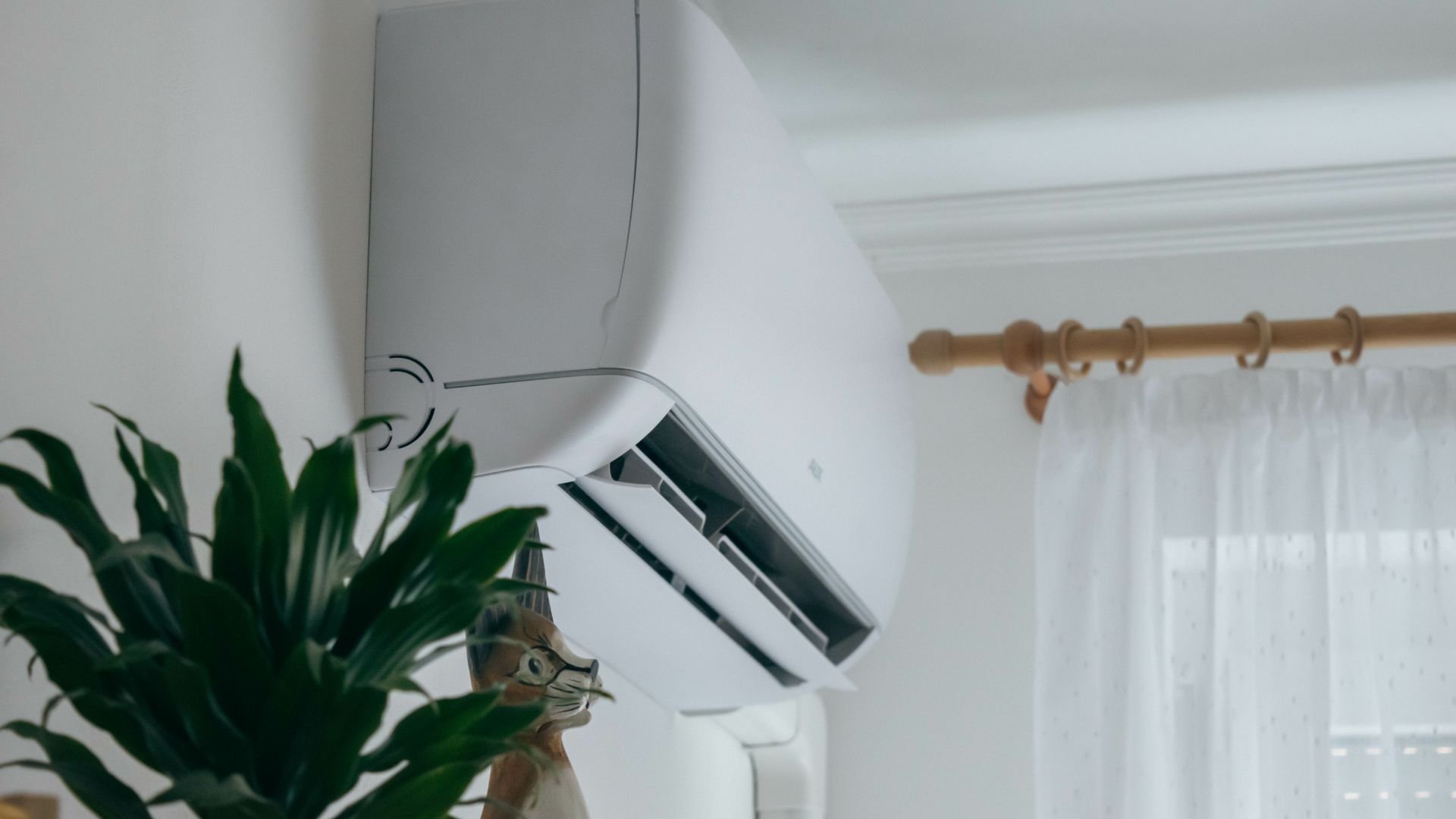
As the seasons change, your ductless mini-split settings need to change as well. In Southern Oregon, we alternate between cool winters and hot summers. By selecting the right mini-split settings, you can improve your family’s comfort without adding to your energy bills.
Why Homeowners Need the Right Mini-Split Setting
When it comes to heating, ventilation, and air conditioning (HVAC) systems, there is a trade-off between comfort and energy costs. The best approach is to set a smart range that matches your family’s comfort and energy-efficiency goals. A single universal number won’t work for every climate, family, and HVAC setup.
Finding the Right Temperature Settings for Southern Oregon’s Unique Climate
In Southern Oregon, we have a mild, Mediterranean climate. Winters tend to be wet and cool, while summers are hot and dry. To stay comfortable without overpaying, Medford and Grants Pass homeowners need the right settings for cool winter mornings and hot summer afternoons.
How Better Temperature Settings Can Improve Your Year-Round Comfort
For the best comfort and energy efficiency, you should always set it and forget it. While traditional air conditioners are made to cycle on and off, ductless mini-splits aren’t. They work best by running at a low speed for extended time periods, so the best approach is to set the temperature and leave it alone.
Best Mini-Split Temperature Settings at a Glance
To get a basic look at mini-split settings, check out the following summer and winter temperature ranges. For each season, you should create a range for when you are at home, away, and asleep. You can make small adjustments to these suggested ranges based on your home’s sun exposure and room use. Avoid having any extreme setbacks because it can be challenging for mini-splits to recover.
Summer Starting Range
- Home: 72℉ to 78℉
- Away: 78℉ to 84℉
- Sleep: 72℉ to 75℉
Winter Starting Range
- Home: 68℉ to 70℉
- Away: 60℉ to 64℉
- Sleep: 64℉ to 68℉
Why Mini-Splits Usually Work Better With Steady Settings
Most cooling systems, such as traditional air conditioners, are designed to either be off or on. In comparison, inverters can modulate the mini-splits’ behavior so that they can operate at a low level. Because the mini-splits don’t have to devote as much energy to startup, this design allows you to save money on energy bills. If you constantly adjust the temperature, it can work against these energy benefits.
Inverter Operation in Homeowner Terms
Basically, mini-splits are able to adjust their output to match the temperature required. It is like placing a car on cruise control instead of driving in stop-and-go traffic. Through steady settings, you can save more money and stay comfortable.
Why Big Temperature Swings Are Not Ideal
Because of all these reasons, you don’t want major temperature swings from frequent manual changes and aggressive setbacks. Similarly, shutting down your mini-split system when you’re absent for a few hours can cause your system to use more energy. Plus, additional shutdowns lead to added wear due to frequent startups.
Best Mini-Split Settings for Summer
Let’s dive into the best mini-split settings for summer.
When You Are Home
Most Medford homeowners will feel comfortable between 72℉ and 78℉. However, you may want to adjust this by a couple of degrees if your room has a lot of sun exposure or to match your personal preferences.
When You Are Away
If you are away, adjust the settings to 78℉ to 84℉. This allows you to spend less money on cooling your home without creating a dramatic setback that might be hard for your system to recover from on hot days.
Overnight Cooling
At night, you can adjust the temperature to 72℉ to 75℉ to ensure the right temperature for sleeping. You may also need to change the fan settings so that they are quieter.
Best Mini-Split Settings for Winter
When winter arrives, the right temperature settings can help you achieve the best balance of energy consumption and comfort.
Daytime Heating Setting
If you are at home, 68℉ to 70℉ tends to be a comfortable setting. To match your personal preferences or sun exposure, you can adjust this temperature by a few degrees.
Overnight Setback
Extreme setbacks can be hard to recover from and hurt your energy efficiency. As a result, you should generally set your nighttime temperature to 64℉ to 68℉.
Away-From-Home Setting
To minimize your energy use and help your home return to a comfortable temperature, you should generally adjust your away settings to 60℉ to 64℉.
Mode and Fan Settings That Support Comfort and Efficiency
In real-world conditions, your comfort also depends on a range of other settings.
Heat, Cool, Auto, and Dry Mode
- Heat: In the winter, this mode works to heat your home by transferring heat from the outdoor air indoors.
- Cool: Cool mode triggers the unit to kick on and deliver cool air to your home.
- Auto: This mode allows your mini-splits to alternate between heating and cooling as needed. It is often used during our shoulder seasons, where daytime and nighttime temperatures can vary significantly. However, this can create unnecessary swings when we have cool mornings and hot afternoons, leading to unnecessary energy consumption.
- Dry Mode: On damp winter mornings in Medford, you can use dry mode to remove excess moisture from the air.
Fan Speed and Louver Direction
- Airflow Direction: During the summer, turn the louvers so that they face up. Cold air naturally settles, so this encourages a better distribution of air. In the winter, the louvers should face down. Because hot air rises, ensure the warm air is directed toward the floor.
- Auto Fan: When the fan is on auto, it will only run when the unit is actively heating or cooling your home.
- Room Distribution: If you’re dealing with hot or cold spots, you may want to leave the fan in on mode for a few hours so that air can distribute evenly throughout the room.
How To Fine-Tune Settings for Room Use and Southern Oregon Conditions
To improve your comfort, keep the following tips in mind.
Hotter Rooms and Sun-Heavy Spaces
In the following locations, you may need to lower your thermostat settings to counteract the warmer environment.
- West-facing rooms
- Rooms on upper levels
- Glass-heavy spaces
Lightly Used Rooms and Multi-Zone Systems
Thanks to zoning, you can adjust the temperature in different rooms based on your actual use. If you never use the bedroom during the day and spend most of the time in your home office, you can set your bedroom to the away temperature range and only focus on cooling air in your home office.
Common Mini-Split Mistakes That Raise Bills
To save money on your energy costs, remember the following tips.
Setting Extreme Temperatures
Setting a very high or low temperature doesn’t lower your energy costs. It creates an extreme setback that is hard for your mini-splits to recover from. Mini-splits conserve energy by reducing frequent on-and-off cycling.
Turning the System Off Too Often
Constant shutdowns and restarts use more energy than just having the system on, so they should be avoided as much as possible.
Ignoring Filters and Airflow Basics
To maximize your energy efficiency, you need to clean or change the air filter every one to three months. Additionally, blocked vents and closed-off rooms can negatively impact air pressure and cause your system to work harder than necessary.
When the Issue Is Not the Setting
If you are consistently struggling with high energy bills and poor comfort, the real problem may be a faulty component. By getting your mini-splits diagnosed and repaired, you can improve your indoor comfort.
Signs of a Performance Problem
The following are common signs that your mini-splits have performance issues.
- Weak airflow
- Frequent error codes
- Difficulties reaching the correct temperature
- Unusual smells
- Ice buildup
- Odd noises
FAQs
What temperature should I set my mini-split to in summer?
In summertime, you should set your home temperature to 72℉ to 78℉ and nighttime temperature to 72℉ to 75℉. When there are no occupants at home, you can switch the temperature to 78℉ to 84℉. However, you may also need to adjust based on room conditions and personal preferences.
Should I turn my mini-split off when I leave the house?
No, turning it off forces it to work harder to catch up later. Additionally, on-and-off cycles use a significant amount of energy. Instead, you should opt for a more moderate setback when you are away.
Is auto mode efficient on a mini-split?
It can be. However, homeowners need to be cautious about using this mode because cold mornings and hot afternoons can cause you to spend money heating and cooling your home instead of harnessing the outdoor temperature changes to lower your energy costs.
Why does my mini-split feel wrong even when the setting looks right?
The problem may involve your home’s airflow or sun exposure. Similarly, service issues and dirty filters can impact how well the unit functions.
Update Your Mini-Split Settings for Each Season
Our team has years of experience working with homeowners in the Medford and Grants Pass area. By partnering with Rogue Valley Heating, Cooling & Electrical, you can get help with mini-split tune-ups, diagnostics, and performance checks.
Learn more about our mini-split services today.
Service Request
"*" indicates required fields