Meter Base Problems: Warning Signs, Safety Risks, and When Replacement Is Needed
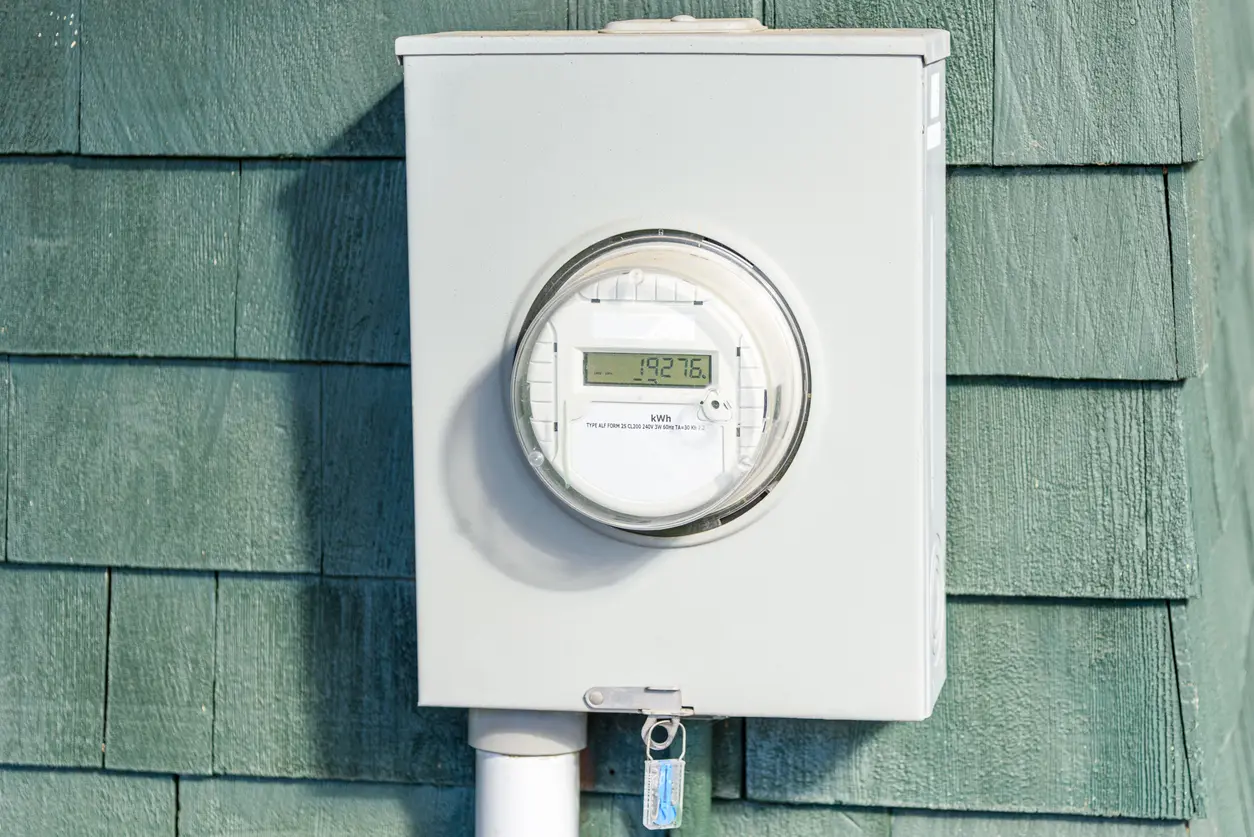
A meter base is basically a socket that connects the electric meter to your home. It is responsible for carrying your full electrical load, making it especially important. From weather exposure to overheating to outages, there are many potential reasons why your meter base may need to be replaced. We’ll cover common indications of arcing and other issues so that you can easily tell when it’s time to call our electricians for help.
What a Meter Base Does (And Why It Matters)
Your meter base is a weather-resistant socket that connects the power lines to your home’s electrical panel. It houses the meter, which is responsible for tracking your home’s energy consumption.
Meter Base vs. Electric Meter vs. Panel
There are a few essential differences between electrical meters, meter bases, and panels. As we’ve already mentioned, the meter base is responsible for connecting your home’s panel to the utility lines. The electric meter is housed within the meter base, and it is often owned by the utility provider. Meanwhile, your panel is located indoors and is responsible for distributing power to different circuits.
Why Meter Bases Fail
A meter base can fail for many different reasons.
- Overheating due to an excessive load or degraded lugs
- Age
- Excess wear
- Loose connections
- Debris intrusion
- Moisture intrusion and corrosion
- Storm-related damage
- Pests
Warning Signs of Meter Base Problems
There are a few key signs your meter base may be about to fail.
Visual Warning Signs
- Rust around the meter or on the meter base
- Water stains
- Warped housing
- Bubbling paint
- Cracked or broken meter base covers
- Scorching, melted plastic, or burn marks
- Missing seals
- Gaps around the conduit entry points
- A loose meter base or can
Smell and Sound Warning Signs
- Burning odors, like something electrical is heating up
- Crackling, buzzing, or sizzling noises, especially in damp conditions
- Clicking that sounds like it is outside the meter location
Performance Warning Signs Inside the Home
- Lights that dim or flicker, especially when appliances start up
- Hot outlets
- Sensitive electronics restarting
- Power interruptions
- Appliances behaving unusually
- Frequent tripped breakers
While a frequently tripped breaker may be due to another reason, it is still important to get it checked out because a meter base malfunction could be the cause.
After Storms or Landscaping Work
Faulty meter bases often occur following storms and landscaping-related damage, such as:
- Fallen branches
- Hail impact
- Weed trimmers are hitting the base
- Wind-driven rain
- Ladder damage
- Car-related damage
- Flooding or pooling water around the meter
Safety Risks You Should Not Ignore
Getting your meter base inspected is important because of the risks involved.
Fire Risk
When there is corrosion or loose lugs present, it can result in overheating and arcing. In turn, these issues can cause a higher fire risk.
Shock and Arc-Flash Risk
A malfunctioning base is incredibly dangerous because it handles utility-level power at the service entrance. Any shock or arc-flash could be potentially life-threatening.
Power Reliability and Damage to Electronics
Any voltage fluctuations can damage your appliances and HVAC equipment.
Urgent Situations
If you notice the following issues, keep everyone away and don’t touch anything. Instead, call a licensed electrician or your utility provider for help.
- A meter base hanging loose
- Visible scorching or melting
- Burning odors
- Crackling noises
- Sparking
- Water inside the meter base
What Causes Meter Base Damage
While many things can result in meter base damage, a few causes are the most likely culprits.
Moisture Intrusion
Anything that allows water to enter, such as failed seals, faulty conduit sealing, or missing gaskets, can damage the meter base. Additionally, wind-driven rain can get inside if the wind and rain are strong enough.
Corrosion and Rust
In areas with coastal moisture, poor drainage, or sprinklers, corrosion and rust are more common. However, corrosion can also happen with age.
Loose Connections
Over time, loose connections can develop from vibration, improper torque, or thermal expansion.
Overloading and Heat
If you’ve suddenly installed an EV charger, hot tub, or increased your electrical demand in some way, it could lead to overloading and excess heat.
Physical Damage
If a car or hail impacts the meter base, it can cause damage. Similarly, pests and UV exposure can harm the base’s components.
Repair vs. Replacement: How To Know Which You Need
Once your meter base is damaged, there are a few steps you can take to determine if a repair or replacement is necessary.
When a Repair Might Be Possible
A repair is a better option if you’re dealing with minor exterior issues, like conduit sealing, weather seal damage, or a cover replacement. Similarly, loose fittings and minor corrosion that isn’t on the socket or lugs can be quickly repaired by a professional.
When Replacement Is Typically Needed
Getting a replacement is preferable when severe damage is involved. For example, socket or lug corrosion, burn marks, water damage inside the can, melted components, and signs of arcing all necessitate a replacement. You should also call for a replacement if you have an outdated meter base, loose meter jaws, or cracked meter base housing.
Why DIY Is Not an Option Here
If you’re dealing with major repairs or plan on moving the base to a different location, you need to call a professional. Dealing with meter bases involves utility coordination and hazardous energized components. These tasks should only be handled by the experts.
What Happens During a Meter Base Replacement
Before your replacement appointment arrives, our team can walk you through what to expect.
Step-by-Step Overview
- Inspect the meter base and diagnose the problem.
- Apply for the permit, if necessary.
- Coordinate with the utility provider for the meter pull and to disconnect power.
- Replace the meter base.
- Inspect the conduit, weatherhead, riser, and grounding for signs of damage.
- Verify the connections before reinstalling the meter and turning the power on.
- Conduct a final check. When necessary, complete the utility sign-off.
How long does it usually take?
The replacement timeline can vary based on utility scheduling, service entrance upgrades, and other factors. If you only need a straightforward swap, it can take as little as one day. For more complex replacements, it will take longer.
What Else Should Be Checked at the Same Time
To ensure the safety of your home and loved ones, we make sure to check your electrical setup for other issues before we leave. We inspect:
- Service mast and weatherhead
- Main lugs for signs of overheating
- Grounding and bonding
- The condition of the main panel
- Load needed for new equipment or appliances
Cost Factors
The cost of the replacement will depend on a few different factors.
What Influences Meter Base Replacement Cost
When calculating the cost, you have to consider:
- Severity of damage
- Permit and inspection requirements
- Meter base accessibility
- Other replacement needs, such as for service entrance components
- Utility scheduling requirements
- Any required electrical service upgrades
How To Avoid Surprise Costs
As a homeowner, you can avoid surprise costs by getting a full service entrance inspection first. During that inspection, our electricians will provide you with a clear written scope so that you know exactly what services are involved. We also take our time explaining each step of the process and answering any questions.
How To Prevent Meter Base Problems
To avoid future meter base problems, there are a few simple steps you can take.
Basic Homeowner Checks
As a homeowner, you should visually check the meter base from a safe distance at least once a year. You should keep sprinklers from spraying the meter base and trim nearby shrubs. Additionally, pay attention to any signs that water may be pooling near the foundation.
Proactive Electrical Maintenance
To avoid future problems, remember to schedule periodic inspections. This is especially important for older homes. If you notice flickering lights, call an electrician and resolve the problem early. Additionally, you should get your electrical load evaluated before you add any new HVAC equipment, appliances, or EV chargers to your home.
FAQs
Who owns the meter base, the utility or the homeowner?
The homeowner generally owns the meter base, and the utility provider is responsible for the line side. This means any repairs or replacements to the meter base must be carried out by the homeowner.
Is a damaged meter base an emergency?
Absolutely. Meter bases handle utility-level power. If it is malfunctioning, there is a serious risk of a fire or shock.
Can a bad meter base cause flickering lights?
Yes, a bad base is often a cause of flickering lights. Because there are other potential causes, it’s essential to get a professional inspection. Additionally, any repairs should only be handled by a licensed electrician.
Can water inside the meter base cause a fire?
Any water inside the base can result in short circuits and electrical fires. To avoid this issue, you should keep water from pooling around the meter base and make sure sprinklers aren’t directed toward it.
Do I need a permit to replace a meter base?
While it depends on the area, most places require a permit before a meter base can be replaced. Because of the serious safety risks involved, this should never be a DIY task.
What should I do if I smell burning near the meter?
Any burning odors are an electrical emergency. They may indicate melting insulation or a fire, which represents an immediate danger to your loved ones. Evacuate the area and call one of our electricians right away for help. You should also shut off all of the electricity to your house at the electrical panel.
Fix Your Meter Base Issues
While a damaged meter base is a potential danger, many of these issues are fixable if they are caught and repaired early. By working with a licensed electrician, you can quickly diagnose the problem.
Schedule an electrical inspection with Rogue Valley today.
Service Request
"*" indicates required fields