Winter Electrical Safety Checklist for Rogue Valley Homes
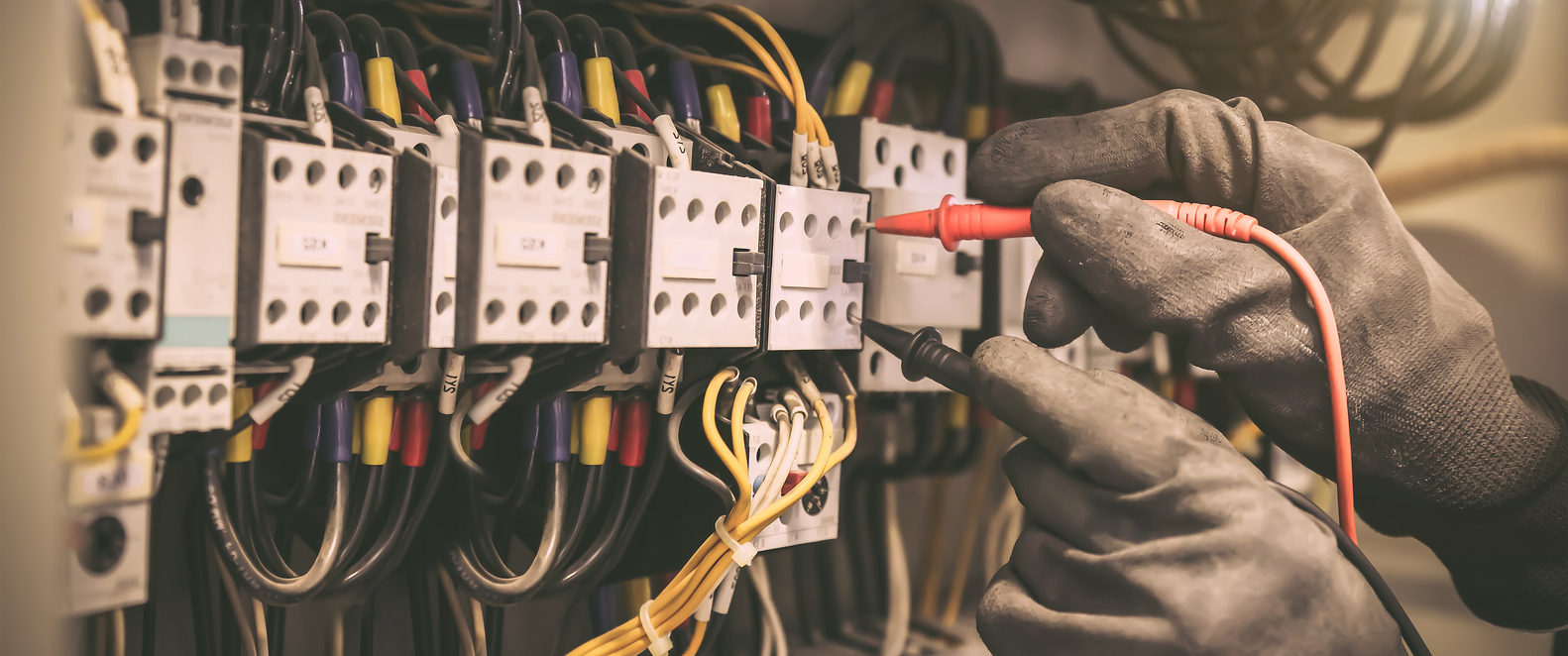
While winter in Medford and Grants Pass tends to be milder than the rest of the country, it can still get fairly cold. When this happens, your heating, ventilation, and air conditioning (HVAC) system has to run longer. Earlier sunsets and cold temperatures mean more lights are plugged in, and more electricity is needed.
Because of all these reasons, minor electrical issues are more likely to appear. Temporary setups, like space heaters and holiday lights, can quickly stress electrical systems. By understanding how to inspect your electrical systems and when you need professional help, you can ensure your family’s safety and comfort this winter.
Quick Safety First Tips (Read This Before the Checklist)
Don’t put your family’s safety at risk. Immediately call for help if you notice any of the following symptoms.
- Burning odors, sparking, smoke, or buzzing sounds around the switches, panel, or outlets
- Discolored or hot outlet covers
- Lights that significantly brighten or dim throughout your home
- Breakers that keep tripping, especially if nothing new is getting plugged in
- Any indication of melted plugs, power strips, or cords
Why Winter Stresses Your Electrical System
In the wintertime, your heating system becomes extra stressed for a few key reasons. Because heating equipment runs longer and cycles more frequently, your electrical system has to work harder. Often, homeowners plug in extra devices in the winter, such as holiday lighting, garage heaters, electric blankets, portable humidifiers, and space heaters.
Wintertime also brings along increased moisture, storms, and darkness. This means you likely need more lights on for longer periods of the day. Outdoor outlets and connections can also face added risks because they’re exposed to increased moisture and storms.
The Winter Electrical Safety Checklist
To keep your home safe, work through each room and system in your home to make sure everything is working properly.
1. Electrical Panel and Breakers
To keep your panel safe, you need to make sure it is easy to access and not blocked by storage. Pay attention to any buzzing noises, burning smells, rust, water staining, or moisture. You should also note any breakers that feel loose when you gently touch them.
While a single trip following a storm or power surge is normal, frequently tripped breakers are a cause for concern. Call if you notice recurring trips, burning odors, heat, buzzing sounds, or corrosion.
2. Outlets and Switches in High-Use Areas
High-use areas include bathrooms, kitchens, bedrooms, garages, and living rooms. Working room by room methodically, check each outlet for warmth, discoloration, crackling or buzzing sounds, sparks, or scorch marks. There shouldn’t be any sparks when you plug something in.
If you notice any of these problems, stop using the outlet. Ideally, move the device to a different circuit to see if this balances the electrical load. If you notice any warmth or discoloration on the outlet, call for professional help.
3. Test Your GFCI Outlets
In your home’s moisture zones, like the bathrooms, laundry room, kitchen, or garage, you’ll typically find GFCI outlets. Test them by clicking on the “Test” and “Reset” buttons.
If the outlet won’t reset or immediately trips, it’s a sign you need professional help. Thanks to condensation and wet weather, shock hazards are especially likely in garages and outdoor areas.
4. Extension Cords and Power Strips: Winter’s Biggest Troublemakers
As a general rule, extension cords should only be used temporarily. If you need to keep using them all winter, it’s a good idea to find a more permanent solution.
To ensure your cords and power strips are safe, verify that they have the correct safety rating for the device. Never daisy chain power strips or run cords underneath rugs. You also want to avoid pinching the cord in a window or door. If you do notice any indications of warmth, cracks, or frayed insulation, it’s time to replace the cord.
5. Space Heaters and Electric Blankets: Use Them Safely or Skip Them
Space heaters are a known electrical hazard when they are used incorrectly. To protect your family, remember the following space heater safety tips.
- Never plug a space heater or electric blanket into a power strip or extension cord.
- Make sure the space around it is clear of any bedding, curtains, or furniture.
- Always turn off the space heater if you’ll be asleep or out of the room.
- Pick a space heater that automatically shuts off if it is tipped or overheats.
- Before using electric blankets, check for worn fabric, hot spots, and damaged cords.
- Never fold an electric blanket while using it.
- Replace the blanket if it is old or in questionable condition.
If you are constantly needing a space heater or electric blanket to stay warm, it may be time to upgrade your heating system. At the very least, you may need to install a dedicated circuit.
6. Holiday Lights and Seasonal Decor
For your indoor lights and decor, try using LEDs to lower the load and limit the amount of heat produced. Try plugging the strands into different outlets to avoid overloading a single outlet. Additionally, a timer is an effective safety measure so that you don’t leave the lights on all night.
As you put up your outdoor lights, check to make sure all of the lights and extension cords are rated for the outdoors. They should never be placed on the ground or in pooling water. To protect your family, all outdoor outlets should be designed with GFCI protection and a weather cover.
You should never overload your home’s circuits. A single overloaded circuit can lead to overheated cords, inconvenient trips, and flickering lights.
7. Heating Equipment Electrical Checks
To protect your home, pay attention to signs that your furnace, heat pump, or air handler might not be functioning at its best. If the lights dim dramatically when your system starts, your electrical systems may need to be upgraded to handle a larger electrical load. Similarly, pay attention to frequent cycling, unusual buzzing near the HVAC unit, burning odors that don’t dissipate, and breakers tripping when the unit starts. If you notice any of the previous symptoms, you should call for professional help right away.
In between your HVAC tune-ups, make sure your unit is functioning properly by regularly replacing the air filter and keeping the area around the equipment clear. Additionally, verify that the vents are open and unobstructed.
Call for help when:
- Dimming or flickering occurs when the heater kicks on.
- The breaker keeps tripping.
- Your HVAC unit refuses to start.
8. Garage, Attic, Crawlspace, and Outdoor Electrical
All of these exposed spaces are subject to significant temperature swings, higher moisture levels, and more pests. To protect your electrical systems, check for damp spots near outlets, cords, and open junction boxes. Avoid having large appliances share the same circuit. In addition, pay attention to any outlet looseness or issues with the weather protection.
Rodents can cause major damage to electrical components. If you notice droppings near your outlets or chewed insulation, call for professional electrical help. You should also call for help if you notice any kind of moisture intrusion, damaged wiring, or frequent tripping.
9. Surge Protection and Power Outage Readiness
Sensitive electronics can be damaged if your power supply fluctuates during a storm. In the long term, you can prevent issues by installing a whole-home surge protector. In the short run, make sure to know where the main breaker is and have your flashlight in an easy-to-access spot.
10. Smoke Alarms and Carbon Monoxide Alarms
As part of your wintertime electrical safety checklist, don’t forget the following tasks.
- Replace any alarms that have reached the end of their service life.
- Test alarms each month to ensure they work.
- Make sure to install a carbon monoxide alarm, especially if there is an attached garage or gas appliance in your home.
- Check your batteries and replace them as needed.
Homes are sealed up tightly in the winter, and heating equipment runs all the time. Because of this, there is an added risk of carbon monoxide leaks, overheated appliances, and electrical overloads.
A Simple “Winter Electrical Risk Score” You Can Use
If you answer yes to two or more of the following questions, you need to schedule an inspection right away.
- Do your breakers trip more than once per month?
- Are you relying on space heaters to warm your home daily?
- Do you notice lights flickering in more than one room?
- Are you using extension cords permanently?
- Do your outlets feel especially warm? Are they loose or discolored?
- Is your home older? Has it been years since your last inspection?
When To Call a Pro
If you see any red flags from the safety section or want a safer capacity for your winter electrical needs, call for an electrical appointment right away. Any time you suspect a loose connection, panel problem, or overloaded circuit, our team can help. In addition, it’s a good idea to get a breaker checked out if it won’t reset or trip as soon as you reset it.
What To Expect During Your Electrical Inspection
During a professional visit, our team will perform the following tasks.
- Check the condition of your panels and breakers.
- Review what’s currently drawing the power on each circuit.
- Calculate the electrical load needed.
- Test your GFCI protection.
- Inspect for loose connections.
- Monitor any signs of overheating.
- Provide you with transparent, straightforward recommendations for resolving problems.
FAQs
To ensure your safety this winter, we’ve gathered together some of the most frequent questions we hear about winter electrical safety.
Is it normal for lights to flicker when the heat pump starts?
Because the heat pump draws so much power, it’s normal for there to be a brief flicker when the heat pump switches on. However, this should not occur any other time, and it shouldn’t last for long. If the lights flicker for more than a few seconds, you need to reach out for a full inspection.
Why do breakers trip more in winter?
When you have many heating systems and electrical devices running at once, it increases the electrical load and leads to tripped breakers. However, it can also be due to the connections contracting in the cold weather, causing looseness and electrical resistance.
Can space heaters be used safely in bedrooms?
It is possible to use space heaters safely in the bedroom, but they need to be used with care. They should always be placed at least three feet away from any curtains, blankets, or other furnishings. Additionally, they should never be operated unattended or while the user is asleep.
How do I know if an outlet is overloaded?
An outlet may be overloaded if you notice any of the following symptoms.
- Warm outlets
- Burning odors
- Crackling or buzzing noises
- Frequently tripped breakers
- Flickering lights
Why do my outdoor outlets trip when it rains?
This is a safety mechanism. When water gets into a GFCI outlet, it automatically trips to prevent ground faults. However, to avoid a serious hazard, it’s important to fix the underlying issue causing the ground fault.
Should I upgrade my electrical panel for winter heating needs?
Wintertime tends to involve high-draw appliances, increasing the strain on your electrical panel. Because of this, it’s a good time to get an upgrade. If your panel is already 25 years old or is only 100 amps, you may need a new one. Warm breakers, buzzing noises, flickering lights, and frequent breaker trips are all signs you may need to install a panel with a larger capacity.
Do LED holiday lights reduce electrical risk?
LED holiday lights can potentially lower your electrical risks. They produce less heat, use less energy, and remain cool to the touch. As a result, they can decrease the likelihood of a fire or shock hazard.
What are the warning signs of a loose connection?
If there is a loose connection, you may notice a hot outlet, discoloration, burning odors, electric shocks, flickering lights, or frequently tripped breakers. Additionally, you may hear popping or crackling noises near the loose connection.
Prepare Your Home for Wintertime
During the winter, your electrical systems have to work at their hardest level. Because of this, small problems can quickly become more noticeable. To prevent fires and other electrical hazards, it’s important to be proactive about using this winter safety checklist.
If you do notice any questionable symptoms, don’t wait to get help. Schedule an electrical inspection right away to ensure your family is safe throughout the winter.
Service Request
"*" indicates required fields