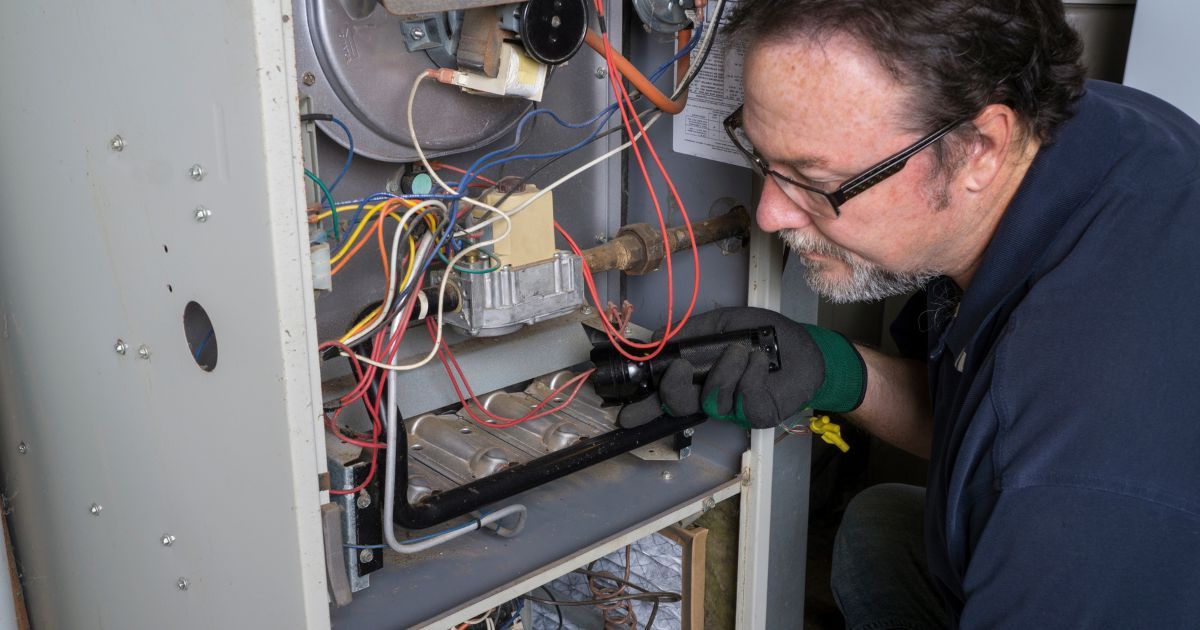
Image of a Rogue Valley Heating & Air technician helping a Grants Pass customer with their heat pump

Heat Pump Short Cycling: Causes, Signs, and Fixes

If your heat pump seems to switch on and off all the time, it is known as short cycling. When this happens, it can immediately impact your energy bills and comfort. Because the repeated on/off cycles cause extra wear on your compressor, it can also result in added repair costs.

Fortunately, there are a few steps you can take to troubleshoot the issue and prevent it from recurring. If troubleshooting doesn’t help, our heating, ventilation, and air conditioning (HVAC) team can quickly diagnose and repair the problem.

What Short Cycling Means (and What’s Normal)

Short cycling is when your system starts and stops before it can reach the appropriate comfort level. While short cycling due to mild weather conditions isn’t a concern, there are situations where short cycling reflects a potential issue.

Short Cycling vs. Normal Cycling

  • Short cycling involves the system turning on and off more frequently than normal and occurs when repairs, adjustments, or maintenance need to be performed.
  • Normal cycling refers to how your heat pump normally operates. It is able to continue running long enough to reach the appropriate comfort level.

Common Signs Your Heat Pump Is Short-Cycling

If you notice the following signs, your heat pump is likely short-cycling.

  • It turns on and off every few minutes.
  • The heat pump won’t maintain your set temperature, causing drastic hot and cold swings.
  • Your energy bill increases without a major change in the weather.
  • You feel clammy when the heat pump is in cooling mode due to less moisture removal.
  • There are clicking sounds or unusual start-up noises.
  • The thermostat frequently suggests calling for service or shows short run times.

Important Safety Note: If you smell any burning odors, notice ice buildup, or your breaker trips, shut your heat pump down and call for help right away.

Why Heat Pumps Short Cycle: The Most Common Causes

There are a few common reasons why your heat pump may short-cycle. By scheduling routine maintenance and timely repairs, you can prevent this issue from occurring during periods of peak heat.

Dirty Air Filter or Restricted Airflow

By far, this is the most common reason for short cycling. Clogged filters, closed registers, and blocked returns can impede airflow. In turn, this can cause the coil to freeze when the unit is in “cool” mode or overheat when it is in “heat” mode. To troubleshoot, replace the filter, open vents, and make sure the returns are unobstructed.

Thermostat Problems

When the thermostat is near a heat source or in direct sunlight, it can get an inaccurate reading. Similarly, wiring issues, calibration problems, and the wrong smart thermostat settings can lead to rapid cycling.

Start by checking the batteries and settings. If that doesn’t work, you may want to review the placement to see if the thermostat is in sunlight or a draft area.

Oversized System or Staging Issues

An oversized system can reach the appropriate temperature too quickly, causing it to shut off right away. As soon as the temperature changes, the heat pump has to turn back on. Over time, this rapid cycling can cause unnecessary wear and tear on your home.

To evaluate the problem, you need to get professional help. A technician will determine the accurate sizing and staging for your home. Our team will also look at your airflow settings to see if any adjustments are necessary.

Low Refrigerant or Refrigerant Leak

When refrigerant levels fall, it leads to an incorrect pressure level. Because this can cause the coil temperature to drop and result in freezing, you’ll often notice repeated icing and a decline in cooling performance.

This is a problem that must be diagnosed by a professional. A technician can inspect and repair existing leaks. Once this is done, they will charge up your refrigerant levels.

Dirty Coils (Indoor or outdoor)

Dirty coils restrict airflow and heat transfer, causing short cycling and unusual pressure. As a homeowner, you can prevent this issue by keeping your outdoor unit free from debris. Once the coil is dirty, you should call a technician to schedule a cleaning appointment.

Electrical and Control Issues

Sometimes, your heat pump’s capacitor, control board, sensors, or contactor may malfunction. If this occurs, you may notice intermittent starts, error codes, and random shutdowns. Electrical diagnostics and component testing are not DIY activities, so reach out to our HVAC technicians if you think this is the problem.

Duct or Static Pressure Issues

If you have a ducted system, it’s common to experience leaky ducts, crushed flex, and incorrect airflow balance. When these problems occur, they can result in high pressure and inhibit your system’s performance.

To remedy the problem, our technicians will do a static pressure measurement and duct evaluation. Afterward, we can seal, repair, and replace the ducts as needed.

Defrost Cycle Confusion

In the winter, the defrost cycle helps to melt ice off the outdoor unit. Basically, the heat transfer process is reversed temporarily. Because the heat is being sent outdoors, the air coming from your vents may temporarily feel cool.

Normal defrost cycles are not a cause for concern. However, you should call for help if you have continued comfort issues, the heat pump has excessive defrost cycles, or heating mode never switches on again.

What To Do First: A Safe DIY Checklist

To troubleshoot the issue, start by using the following checklist.

  • Replace the air filter with the correct size filter.
  • Ensure the supply vents and returns are open and unobstructed.
  • Set the thermostat to a steady temperature. Avoid any drastic up or down adjustments.
  • Confirm that the thermostat’s mode, fan, and schedule settings are appropriate.
  • Clean around the outdoor unit to ensure proper airflow.
  • Turn off your system at the first sign of ice. Then, let it thaw before calling us.

Don’t Do This

  • Don’t chip ice off of sharp parts.
  • Don’t force the system to run if it continues to short-cycle.

When To Call a Pro (And Why Waiting Can Get Expensive)

When short cycling occurs, it can stress important components in your HVAC system. If this problem isn’t fixed, it can lead to higher energy costs and expensive repairs. By reaching out for support, you can get a technician to help with airflow diagnostics, electrical checks, and measuring refrigerant levels.

Call for help if:

  • Short cycling comes back after you check the filter and airflow.
  • Ice returns again.
  • The breaker keeps tripping.
  • You hear an unusual clicking or buzzing noise.

How We Diagnose Heat Pump Short Cycling: What To Expect

We diagnose short cycling through a few important steps.

  • Verify that the system staging and thermostat are operational.
  • Measure the system’s temperature performance and airflow.
  • Inspect the filter, blower performance, and coils.
  • Confirm that there is the right level of airflow.
  • Check the refrigerant readings.
  • Test electrical components and controls at startup.
  • Review ductwork for signs of holes, tears, or gaps.

How To Prevent Short Cycling: Maintenance Tips

To avoid short cycling in the future, we recommend performing the following maintenance activities.

  • Consistently replace the filters. This should be done more often if there are pets or a lot of dust present.
  • Clear a 2- to 3-foot space around the outdoor unit throughout the year.
  • Schedule seasonal tune-ups to catch airflow and refrigerant issues before they become major problems.
  • Book a duct maintenance and balancing appointment for ducted systems.

Remembering to schedule routine maintenance can be challenging. To make it easier, we offer a convenient membership plan. It features complimentary tune-ups, discounts, and special promotions, so you can easily maintain your HVAC system.

FAQs

Is a heat pump’s short cycling bad?

In general, short cycling isn’t a good sign. No matter what the cause is, short cycling causes the compressor to turn on more frequently than normal. This type of added strain can lead to premature failure, resulting in higher repair bills. Even before parts start to fail, you’ll notice worse performance and higher energy costs.

How often should a heat pump cycle?

In most cases, heat pumps run for 10- to 20-minute stretches. Depending on the temperature required, these cycles may occur around two to three times per hour.

Can a dirty filter cause short cycling?

Absolutely. Anything that impedes the unit’s airflow can cause it to short-cycle.

Can low refrigerant make a heat pump short-cycle?

Yes, it can. When refrigerant levels are low, it changes the pressure and temperature of the refrigerant. In heating mode, this can make the heat pump overheat and trigger a safety shutoff. During cooling mode, the indoor coils can freeze and cause the system to stop working.

Why does it short cycle only in winter?

During cold weather, the heat pump has to work harder. Normally, the underlying cause might not be bad enough to cause short cycling. Because the system has to work so much more than normal, it amplifies the problem and results in more frequent cycling.

Why does it short cycle only in summer?

Heat pumps are used the most during the hottest days of summer. This increased use heightens any underlying strain and leads to more frequent cycles.

Can an oversized heat pump be adjusted without replacing it?

Yes, it is possible to adjust fan speeds, add buffer tanks, change control settings, or install special devices for modulating the capacity. Each heat pump is different, so talk to an HVAC technician about what will work best in your situation.

Should I turn my heat pump off if it’s short-cycling?

Yes. Shutting off the heat pump can prevent short cycling from damaging the compressor. It also gives you a chance to troubleshoot common problems, like clogged air filters and airflow issues.

Keep Your Heat Pump Working at Its Best

Short cycling is often caused by problems related to the refrigerant, controls, or airflow. If frequent on/off cycles keep occurring after you’ve performed basic checks, you should schedule a diagnostic appointment. With proper repairs and a tune-up, you can prevent short cycling from recurring.

Book your next heat pump tune-up today.
Wall-mounted ductless air conditioner is installed in a room of a residential house in Grants Pass.

Why Your AC Coil Freezes Up: Causes and How To Fix It?

When you have ice on your indoor coil or the large copper line, it’s an immediate cause for concern. Once the coil becomes too cold, moisture freezes on it. This reduces your air conditioner’s efficiency, leading to wasted energy and poor comfort. Because this situation causes added wear on your compressor, you’re more likely to need repairs or a replacement.

If you notice icing on your coil, the first step is letting it thaw out. Then, there are a few troubleshooting tips you can try before reaching out to our heating, ventilation, and air conditioning (HVAC) team for a professional inspection.

Let’s take a look at why coils freeze, how to prevent freezing, and what to do if you experience this problem.

What To Do Right Now If Your AC Coil Is Frozen

Immediately after your AC coil freezes, follow these steps.

  • Turn your thermostat off or raise the temperature.
  • As long as your airflow is fine, switch your fan to “On” to help your coils thaw.
  • Allow the coils to thaw completely. This is necessary for us to make an accurate diagnosis.
  • Replace your air filter while the unit thaws.
  • Ensure your return vents aren’t blocked.
  • Open supply vents.
  • Monitor for signs of water runoff. Protect your floors and use towels to clean any runoff.

Once your AC has thawed completely, try running it briefly to see if icing returns. If it doesn’t, you need to call for professional AC repairs.

Important Safety Notes

  • Don’t chip ice with sharp tools
  • Don’t continue to run the AC if it is frozen.

If you notice a burning odor, signs of electrical issues, or a tripped breaker, immediately shut down your unit and reach out for help.

Why an Evaporator Coil Freezes

Evaporator coils are supposed to absorb heat from your indoor air, so they require warm airflow. They also need the right amount of refrigerant present to absorb the heat. If airflow or refrigerant levels are off, the coil’s temperature can drop below freezing. This causes moisture in your home’s air to freeze around the coil.

Callout: Most frozen coils start with airflow problems.

The Most Common Causes of a Frozen AC Coil

There are a few common reasons why you might experience a frozen AC coil.

Dirty Air Filter

Signs: Weak airflow, dirty filter, and rooms that won’t cool

This is the most common reason. When a filter is clogged, it restricts airflow and results in the coil becoming too cold. You can fix this on your own by replacing the filter with a new one that is the right size.

Blocked Return Vents or Too Many Closed Supply Vents

Signs: Whistling, uneven comfort levels, and low airflow from your vents

When a return or supply vent is closed or blocked, it starves your unit of air. You can fix this yourself by opening vents, removing any obstructions, and checking the return paths.

Blower Fan Issues

Signs: Low air from the vents, odd sounds, and intermittent airflow.

If the blower fan’s motor, capacitor, or blower wheel isn’t functioning properly, it reduces airflow and can cause the coil to freeze. You need an HVAC technician to measure the airflow and test electrical components. Then, the technician can clean and repair the blower as needed.

Dirty Evaporator Coil

Signs: Occasional musty odors and recurring freeze-ups even when the filter is clean

When your coil is dirty, the dirt can form an insulating layer that blocks airflow through the fins. Unfortunately, this must be addressed by a professional technician. Once we arrive at your home, our technician can quickly work to clean the coil, inspect your drain pan, and ensure a clear airflow path.

Low Refrigerant

Signs: Poor cooling performance, recurring icing on coils and lines, and longer runtimes

Refrigerant levels don’t just run out. If your refrigerant levels are low, it is because of a leak. This can cause the pressure levels to drop, resulting in a low coil temperature and icing.

By law, refrigerants can only be recharged by a certified technician. Our team can quickly detect and repair the leak to prevent this issue from returning.

Metering Device Problems (TXV or Fixed Orifice)

Signs: Inconsistent cooling and freeze-ups that aren’t related to your filter or airflow

When there isn’t enough refrigerant, it can impact your metering device and result in freezing. Our technicians can diagnose whether you’re dealing with superheat or subcooling. Then, we can perform repairs and replacements as needed.

Ductwork Restrictions or Leaks

Signs: Weak airflow in different rooms, hot spots, and dusty attic odors

In a ducted system, leaks and gaps can develop in the ductwork. This allows conditioned air to escape and attic or crawlspace air to enter your ducts. You can get the problem repaired by having a technician perform a static pressure test, duct inspection, and correction.

Outdoor Condenser Issues That Can Contribute

Signs: An outdoor unit clogged with debris, hot air discharge, and long runtimes

When dirt and debris clog the outdoor unit, it can affect your system’s pressure and performance. Eventually, this can cause icing conditions. You can fix the issue by clearing away debris from around the unit and gently cleaning it as needed.

Thermostat and Settings

While it won’t cause icing on its own, your AC’s setting can increase the likelihood of icing. If you have extremely low setpoints and the AC is constantly running, it can worsen any existing airflow issues. Although adjusting your thermostat settings can help alleviate the icing, you’ll still need to diagnose and fix the underlying problem.

Ice on the Outdoor AC Line: What It Means and Why It’s Usually an Indoor Coil Issue

Sometimes, you might notice ice develop on the outdoor AC line. If the large copper line is iced up, the evaporator coil is likely frozen as well. The root cause of both issues is refrigerant or airflow problems.

It’s important to note that there is a difference between sweating and icing. While icing is a cause for concern, sweating is completely normal. As the system cools, moisture condenses around the cold line and causes sweating. This is a normal part of the line’s operation and isn’t an issue.

How To Tell If It’s Airflow or Refrigerant

There are a few signs that you’re likely dealing with an airflow or refrigerant problem.

More Likely To Be Airflow:

  • Your filter is obviously dirty.
  • The vents or returns are blocked.
  • The airflow is weak.
  • Freeze-ups improve once you change the filter or fix the vents.

More Likely To Be the Refrigerant or Metering Device:

  • The filter is clean, vents are open, and your airflow appears normal.
  • Your cooling performance steadily declines over time.
  • The coil refreezes right after it thaws.
  • Your AC suffers from repeated freeze-ups.

No matter what the problem is, diagnosis must wait until after the coil has fully thawed.

What a Technician Checks During a Frozen Coil Diagnostic

To diagnose and repair the issue, our HVAC technicians will perform a few key checks.

  • Confirm that the coil has thawed completely.
  • Measure the AC’s airflow and static pressure.
  • Inspect the blower performance and the condition of the indoor coil.
  • Make sure the refrigerant is charged and not experiencing superheat or subcooling.
  • Find and repair leaks if the refrigerant levels are low.
  • Inspect the metering device and overall system performance.
  • Check ductwork for leaks, gaps, and other issues if poor airflow is a consistent problem.

Preventing Frozen Coils (So It Doesn’t Keep Happening)

To avoid this issue in the future, there are a few important steps homeowners can take.

  • Filter Replacement: Filters should be replaced according to the manufacturer’s schedule. Change your filter more often if your home has pets, smoke, dust, or allergy issues.
  • Clear Vents: Make sure return vents and registers are clear. Avoid closing too many registers.
  • Seasonal Maintenance: Schedule a tune-up to get your blower and coils inspected and cleaned.
  • Seal Ducts: If there are duct restrictions or leaks, seal the ducts and resolve the airflow problems.
  • Clean Outdoor Unit: Clear a 2- to 3-foot space around your outdoor unit to ensure proper airflow.

If you experience freezing at any point, it’s a good idea to get a tune-up before peak heat arrives. Through our maintenance plan, you can get a complimentary tune-up just in time for summer and enjoy special discounts on our services.

FAQs

Can I run my AC if the coil is frozen?

No. Even if you can technically have your AC on, using it will lead to increased wear, higher energy costs, and performance issues. Once the coil is frozen, the best thing you can do is thaw the coil and then resolve the underlying problem.

How long does it take for a frozen AC coil to thaw?

It generally takes between 1 and 24 hours, but most freeze-ups thaw out in 8 hours or less.

Will a dirty filter cause ice on the coil?

This is the most common cause of frozen coils. Clogged filters impact airflow, which causes the coil to ice up.

Does low refrigerant always mean a leak?

Yes. Refrigerant lines are a closed system, so the only way for refrigerant to escape is through some type of leak or break in the lines.

Why is my AC blowing warm air and freezing up?

If your AC is blowing warm air and freezing up, it is likely due to refrigerant or airflow issues. You can check for clogged air filters and obstructed vents on your own. However, you’ll need to schedule professional repairs if these DIY steps don’t resolve the issue.

Is ice on the outside AC pipe normal?

No, it is not. While sweating on the outside pipe is normal, icing likely means that your indoor evaporator coil is freezing.

Can a frozen coil damage the compressor?

Absolutely. Frozen coils mean the refrigerant is likely in liquid form instead of gas when it reaches the compressor. Because the compressor isn’t intended to deal with a liquid, this can lead to broken components and overheating.

What temperature should I set my thermostat to avoid freezing?

To prevent freezing, the lowest you should set your AC is 70℉ to 72℉.

Prevent Your AC Coil From Freezing

In most cases, freezing occurs due to low refrigerant or improper airflow. Once you have turned off the unit and allowed it to thaw, you can perform basic checks to determine the underlying problem. If the AC continues to have issues, it’s important to schedule a service appointment.

Get help with your diagnostics, repairs, and maintenance by reaching out to Rogue Valley Heating, Cooling & Electrical today.

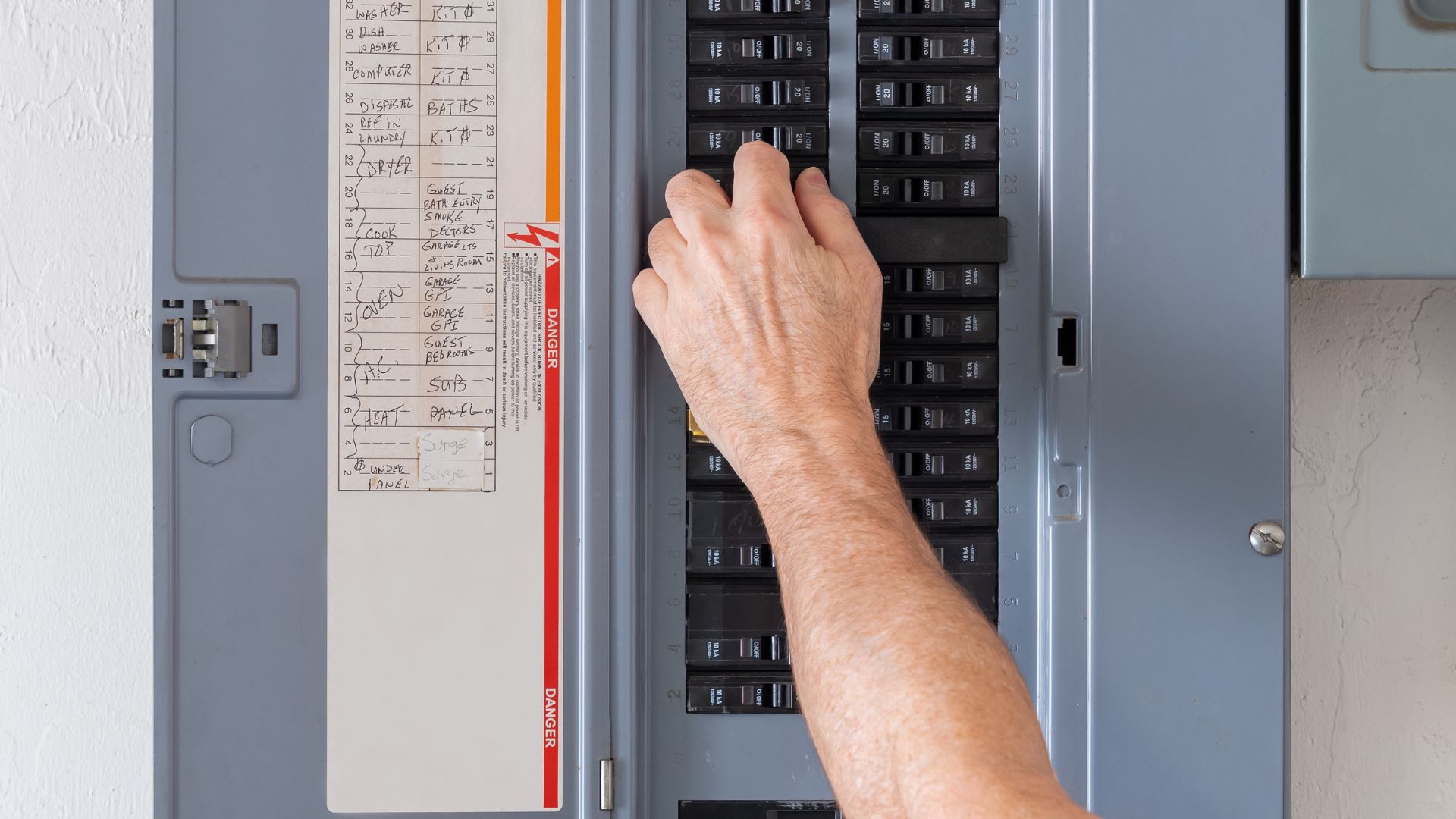
Image of a homeowner turning off one of their electrical breakers

Why Breakers Trip More in Winter (And What It’s Trying To Tell You)

It’s chilly out, so you plug in the heater to warm up. Suddenly, your lights blink and the breaker trips.

While this might seem like a problem, the reality is that the breaker tripping is a safety feature designed to protect you. There are safe changes you can make to your home to prevent tripped breakers. However, if this continues to happen frequently, you should reach out to Rogue Valley Heating, Cooling, & Electrical for professional help.

What a Breaker Trip Actually Means

Breakers shut off power when they detect a short, ground fault, or overloaded circuit. This is more likely in winter because demand for electricity is higher.

Important Safety Note: Resetting the breaker once is fine. Repeatedly resetting it without determining the underlying cause is a major safety hazard.

The Big 3 Reasons Breakers Trip More Often in Winter

There are a few main reasons why breakers trip more in the wintertime.

Reason #1: Space Heaters and High-Wattage “Quick Heat” Devices

A space heater pulls a lot of power, especially as you crank up the temperature setting. When added to the rest of the gaming consoles, televisions, microwaves, and hair dryers on the same circuit, this can lead to problems.

Reason #2: Aging Circuits and Older Electrical Panels

Older homes weren’t designed for all of the electrical devices and appliances we have today. Worse still, breakers and wiring can become worn and sensitive over time. Plus, a lack of dedicated lines and limited circuits per room can lead to overloaded circuits during the winter.

Reason #3: Loose Connections That Act Up When Temperatures Drop

Finally, falling temperatures can cause metal to contract. This results in loose connections, which create resistance, heat, and power issues. Combined with a higher wintertime electrical load, this creates potential hotspots and causes a danger to your home.

Common Winter “Trigger Scenarios”

When multiple devices are used at once, it can lead to tripped breakers. In the winter, the following trigger scenarios are fairly common.

  • Using a heater, holiday lights, and a TV in the same room
  • A heater hooked up to an extension cord or power strip
  • A coffee maker that runs while the heater is on
  • Garage and outdoor circuits using heaters, tools, and freezers
  • A bathroom or bedroom heater tripping the breaker once it’s switched to high

Overload vs. Short vs. Ground Fault: How It Looks at Home

To tell if it is an overload, short-circuit, or ground fault, consider the following signs.

Overload Signs

You can tell if it is an overloaded circuit if it trips within a few minutes of running or after extra devices are added.

Short-Circuit Signs

Short circuits happen right after something is plugged in or switched on.

Ground-Fault Signs

These occur when moisture is present, such as in outdoor areas, bathrooms, kitchens, damp basements, or garages.

Space Heater Reality Check

Space heaters are a major fire hazard. Through a few safe habits, you can make sure your space heater is used safely.

Safer Heater Habits

  • Always plug space heaters directly into wall outlets. Never use power strips.
  • If it is a shared circuit, keep the space heater on a lower temperature setting.
  • Try to limit each circuit and outlet to one high-watt appliance.
  • Turn off the space heater if you are sleeping or not in the room.
  • Make sure there is a three-foot clearance around the space heater.

What Not To Do

  • Don’t daisy-chain extension cords.
  • Don’t use space heaters as a long-term solution.
  • Don’t repeatedly reset the breaker.

The “Quiet Warnings” You Should Not Ignore

Watch out for quiet warning signs. Immediately stop using the circuit and schedule professional electrical repairs as soon as possible.

  • Repeated breaker trips, even when the load is small
  • Warm outlets and switches
  • Flickering lights when appliances turn on
  • Burning odors
  • Buzzing or crackling sounds
  • Discoloration around the outlet
  • Sparking

Safe Steps Homeowners Can Take Today

If you are experiencing tripped breakers, there are a few proactive steps you can take right now to ensure the safety of your home and loved ones.

  • Unplug the last device you just plugged in to see if the circuit still holds.
  • Try reducing the load. For example, move the heater to a different outlet or circuit.
  • Run fewer high-watt devices at the same time.
  • If your space heater is old, damaged, or has a frayed cord, get a new one.
  • Record which breakers and devices were involved. Track the time of day as well.

When It’s Time To Call Rogue Valley Heating, Cooling and Electrical (Or a Licensed Electrician)

It’s time to call for electrical repairs if you notice any of the following issues.

  • Breakers trip repeatedly during normal winter use.
  • Sections of your home keep losing power.
  • You have to use space heaters every day.
  • The home has an older panel or not enough circuits.
  • There are buzzing noises, flickering lights, unusual odors, or heat.

Winter Trips Are Common, but They’re Not “Normal” To Live With

While winter trips are a common occurrence, they aren’t normal and shouldn’t be something that your family has to live with. Space heaters, loose connections, and aging circuits can all contribute to this nuisance. By making a few smart changes and scheduling a professional electrical inspection, you can avoid tripped breakers this winter.

For help with your tripped breakers this winter, reach out to Rogue Valley Heating, Cooling, & Electrical. We’ll determine the cause, so your family can enjoy a safe, steady power all winter long.

FAQs

Why does my breaker trip only when it’s cold outside?

When it’s cold, metal contracts. This potentially loosens connections and wiring, causing shorts. Additionally, many people use space heaters, electric blankets, and other items in the cold that can overload breakers.

How many space heaters can I run at once?

In terms of safety, you should only be using at most one per breaker. Realistically, you should consider an HVAC upgrade if you feel the need to use more than one space heater. If your furnace or heat pump can’t keep up in the cold, it’s time for an upgrade.

Is it dangerous to keep resetting a breaker?

Yes, it can be. If your breaker keeps tripping all the time, it indicates that there is an underlying problem with the circuit panel, electrical wiring, or appliances. Continuing to reset the breaker increases the likelihood of damage, electrical hazards, and fires.

Why does the breaker trip instantly when I turn something on?

There is likely a short circuit or ground fault occurring. Damaged wiring, moisture, and faulty appliances can all cause the breaker to trip repeatedly. To avoid causing a fire or additional damage, reach out to our team of experienced electricians for professional help.

Do I need a panel upgrade if breakers trip often?

Possibly. While there can be other causes of this symptom, it’s also possible that you are overloading the panel and need to upgrade. To find out the best option for your situation, reach out to our team for a detailed inspection.

HVAC technician working an a furnace system in a residential house in Grants Pass.

Why Your Furnace Is Blowing Cold Air And When To Call For Help

It’s cold outside, so you crank up the heat on your furnace. Instead of getting a welcoming rush of warm air, you get a chilly blast instead.

For local homeowners, this type of experience can feel incredibly stressful. If you have young children or elderly family members at home, it can even be dangerous.

Fortunately, a furnace blowing cold air is often a normal symptom. However, it can be a warning sign of a potential problem, so it’s essential to understand when you need to call for help.

When a Furnace Blowing “Cold” Air Is Actually Normal

There are a few indications that a furnace blowing cold air is a part of its normal operations.

At Start Up, the Air May Feel Cold for a Minute or Two

When the heating cycle first starts, there is still cold air in the ducts. Once the furnace has a chance to warm up, this issue will go away.

The Thermostat Fan Is Set to “On” Instead of “Auto”

You should also check your fan settings. If the fan is in “On” mode, the fan will run all the time instead of just during heating cycles. The air may be cold if the furnace isn’t actively running.

Having the fan in “On” mode helps ensure even temperatures in every room and good airflow. However, you can easily switch it to “Auto” mode if you want it to only run when the burners are on.

The Furnace Is in a Short Cool-Down Cycle

Certain heating, ventilation, and air conditioning (HVAC) systems will run the blower for a short period of time after the burners switch off. As long as your home is warm and comfortable, you don’t have to worry about temporary periods of cold air at the end of the cycle.

Normal Temperature Difference at the Registers

Even though the air is warm, it might not feel hot to your hand. The real question is whether your home is able to reach and maintain the temperature on your thermostat.

When a Furnace Blowing Cold Air Points to a Problem

You may need to reach out for emergency repairs if you experience the following symptoms.

The Air Stays Cold the Entire Time the Furnace Is Running

This type of issue often indicates a problem with your burners, gas supply, or ignition.

The Furnace Turns on and off Quickly and Blows Lukewarm Air

Because this could be due to a safety limit tripping, a dirty filter, or overheating, it’s a good idea to get your furnace looked at by a professional.

The Burner Lights but Won’t Stay On

Often, you’ll notice a brief period of warm air followed by cold air if there is a problem with your flame sensor or safety controls. Because safety issues can result in gas leaks, fires, and electrical hazards, it’s essential to call a professional instead of just resetting the unit.

Thermostat Problems Making the Furnace Misbehave

Incorrect settings, the wrong mode, or a faulty thermostat can lead to this problem. If adjusting the settings and mode doesn’t work, it may be time for a thermostat replacement.

Issues With Ductwork or Airflow

Duct leaks, blocked vents, and disconnected ducts can result in airflow issues and colder air. You can try opening and unblocking vents on your own. If this isn’t enough, schedule professional repairs.

Simple Checks You Can Safely Do Before Calling Rogue Valley Heating, Cooling and Electrical

Before you reach out for help, try performing the following troubleshooting steps.

Confirm Thermostat Settings

Make sure that your thermostat is in “Heat” mode with the fan on “Auto.” The temperature should be several degrees above your current room temperature.

Check and Replace the Air Filter

Filters should be replaced every 30 to 90 days, but this should occur more frequently during periods of heavy usage. Otherwise, a dirty filter can reduce airflow and cause overheating. In turn, overheating can lead to short cycling and cold air.

Look at Vents and Returns Around the House

Make sure furniture and rugs aren’t obstructing the registers. Then, clear dirty or blocked return grilles. For proper airflow, all of the vents should be open.

Check the Furnace Power Switch and Breaker

Make sure your furnace switch is in the “On” position. See if there is a tripped breaker on your electrical panel. You can try to reset it once. If it trips again, call for professional help.

Safety First: Cold Air Issues You Should Not Ignore

To ensure the safety of your home and family, never ignore the following issues.

Signs It Is Time To Shut the Furnace Off

If you experience the following signs, immediately turn the furnace off.

  • There’s a strong odor of gas or rotten eggs.
  • There is a burning smell or an electrical odor that won’t go away.
  • Your carbon monoxide alarm went off.
  • You see visible damage, such as melted wires or scorch marks, around the unit.

Situations Where DIY Can Make Things Worse

When dealing with furnace problems, avoid doing the following things.

  • Don’t just reset a furnace repeatedly if it keeps shutting off.
  • Never clean or adjust burners or flame sensors on your own. Call a technician instead.
  • Don’t work on any safety controls or gas lines.

How Rogue Valley Handles Cold Air Complaints

When you reach out to Rogue Valley Heating, Cooling and Electrical for cold air issues, our experienced technicians will remedy the problem in a few key ways.

  • Diagnosis: We’ll carefully diagnose the root cause instead of simply guessing or swapping parts.
  • Inspection: As a part of our diagnosis, we will check your airflow, ignition, burners, ducts, and safety controls.
  • Explanation: Finally, we’ll explain the results of our testing and recommended course of action.

Preventing Cold Air Problems in the Future

To prevent your furnace from blowing cold air in the future, remember the following steps.

Simple Habits That Help Your Furnace Run Smoothly

Open your vents, track your filter changes, and monitor any unusual changes.

Why Annual Furnace Maintenance Matters

Remember to schedule your annual furnace tune-up to ensure proper ignition and airflow. Besides protecting the safety of your family, routine maintenance can help you avoid repairs, improve your energy efficiency, and catch worn parts before they fail unexpectedly.

Frequently Asked Questions About Furnaces Blowing Cold Air

Why does my furnace sometimes blow cold air at the start of a cycle?

This is because the air in the ducts is cold. Once the furnace has had a chance to warm up, the air won’t feel so cold.

How long should it take for the air to feel warm?

You might start noticing that your home feels warmer after 15 minutes or so. However, it generally takes around an hour for your indoor air temperature to really heat up.

Is it safe to keep running the furnace if the air feels only slightly warm?

If your furnace is struggling to heat your home or has to run nonstop to maintain the temperature, there is something wrong with it. Schedule professional furnace repairs so that you don’t end up with an unexpected furnace failure in the middle of winter.

Why does my furnace keep shutting off and then blowing cool air?

While a few different issues can cause this, it is often due to overheating. If the furnace gets too hot, the high-limit switch shuts the burners off. Alternatively, the flame sensor may have triggered the furnace to shut off. Once the furnace is off, the fan keeps running to help the furnace cool down.

Can Rogue Valley Heating, Cooling and Electrical fix cold air issues on all furnace brands?

Absolutely. Our team has years of experience working with local homeowners to diagnose and repair furnace issues. For a professional furnace inspection or repairs, give us a call today.

Still Getting Cold Air From Your Furnace? Rogue Valley Heating, Cooling and Electrical Can Help

There are many normal reasons why you might feel cold air coming from your furnace. However, you should immediately call for help if the air never warms up or the furnace keeps shutting down. If you smell or see anything unusual, schedule your next furnace service right away.

With the help of our experienced technicians in Grants Pass, you can get help diagnosing problems and getting your furnace working again. Schedule an HVAC appointment today for help.

Zoning vs. Balancing: The Right Fix for Upstairs/Downstairs Temperature Differences

When winter arrives in Medford and Grants Pass, it brings the thermostat wars along with it. While your downstairs is at a comfortable temperature, your upstairs isn’t. Before long, each family member is sneakily adjusting the thermostat as they walk by.

Although this is a common complaint for two-story homes, you don’t have to just put up with it. By deciding if you need simple balancing or true zoning, you can take the first step in enjoying a more comfortable home.

Why Upstairs and Downstairs Temps Drift Apart: The Simple Physics

Upstairs and downstairs have different temperatures because of basic physics. Warm air rises, while cooler air settles closer to the ground. This can mean your downstairs is significantly hotter than your upper stories. Additionally, upstairs rooms often get more sun exposure from the roof and windows, which can be heightened if the insulation is poor. If there are issues with your duct layout and return air placement, it can result in uneven temperatures.

Quick Definitions: Balancing vs. Zoning

The good news is that this problem can be resolved quickly through balancing or zoning.

Air Balancing

Balancing improves the setup to ensure airflow is distributed evenly. You use the same thermostat, but your airflow is updated with dampers, return improvements, and vent adjustments. To ensure the air balancing worked, we conduct airflow testing once everything is complete.

Zoning

Zoning divides your home into sections, with different thermostats and zone control boards. Thanks to motorized dampers, you can change the temperature in each section of the home separately.

The Key Question: Is Your Problem Airflow or Control?

Let’s look at common ways to decide between balancing and zoning.

  • One Floor Lacks Airflow: Balancing
  • Airflow Is Normal, But There Are Major Comfort Swings Between Floors: Zoning

When in doubt, we can always start by using balancing. Then, we can incorporate zoning if additional comfort improvements still need to be made.

Signs You Likely Need Air Balancing (And Not Zoning)

You may need air balancing if:

  • Certain areas have weaker airflow.
  • Rooms on the same floor have major temperature differences.
  • You noticed noisy airflow, static pressure, or whistling vents.
  • Changing vent or door positions affects your comfort.
  • Specific rooms have temperatures that don’t match the thermostat.
  • The system has never been properly balanced after you installed it or remodeled your home.

What Balancing Typically Includes

To balance your home, we measure each room’s airflow and temperature. After checking your duct sizing, restrictions, and disconnected runs, we can adjust your supply distribution and manual dampers. Our team will also review your filter choices, add returns, and repair leaky ducts as needed.

Signs You May Be a Good Candidate for Zoning

You are likely a good candidate for zoning if:

  • Each story has good airflow but consistently different temperatures.
  • You are constantly updating the thermostat because each floor has different comfort needs.
  • Your home has a “two floors, two comfort needs” pattern.
  • People are using different areas at different times, such as home offices.
  • Your upstairs bedrooms need a different temperature from the downstairs living spaces.
  • You want targeted comfort for specific areas instead of adjusting the temperature in your entire home.

What Zoning Typically Includes (And What It Does Not)

With zoning, you can expect some of the following benefits. However, there are limitations to what zoning can change.

What Zoning Adds

Zoning offers a few important improvements.

  • Separate thermostats for each zone
  • Motorized dampers to control airflow in your ductwork
  • A control board
  • Improved comfort control on each floor

What Zoning Does Not Fix by Itself

However, zoning will not be able to fix these issues on its own.

  • Major duct leaks
  • Poor insulation or big drafts
  • Undersized HVAC equipment
  • HVAC systems that have poor airflow or high static pressure

The “Start Here” Decision Path: How To Resolve Your Temperature Differences

To decide which option will solve your temperature wars, consider the following factors.

Step 1: Rule Out Easy Airflow Problems

Before you attempt balancing or zoning, rule out common airflow issues. Make sure your filter has been recently changed and is the right type for your HVAC system. Inspect for duct damage or leaks in your attic or crawlspace. Then, make sure your return and supply vents aren’t blocked.

Step 2: Do a Professional Balancing Assessment

If airflow is the issue, zoning is only going to move the problem around. This is why it’s so essential to get a professional balancing assessment before you decide to try zoning.

Step 3: Consider Zoning if You Still Have Floor-to-Floor Comfort Fights

To manage floor-to-floor comfort fights in a home that has good airflow, zoning is an effective option. This is especially true if you have home offices, guest rooms, or kids’ rooms that have specific comfort needs.

Cost and Complexity Expectations

Balancing will generally be more affordable and involve less disruption, which is why we try this option first. In comparison, zoning involves the installation of dampers, controls, and thermostat wiring, so it’s a better option if you’re trying to deal with ongoing floor-to-floor differences. Ultimately, the right choice will depend on your home’s layout, duct design, returns, and HVAC capacity.

Common Myths To Clear Up

Myth: “Closing vents upstairs or downstairs will fix it.”

Reality: Closed vents can increase static pressure, leading to premature wear and more frequent repairs.

Myth: “Zoning is always the best fix.”

Reality: Zoning is only effective if your ductwork and airflow are already in optimal condition.

Myth: “If your upstairs is hotter, your HVAC is failing.”

Reality: In most cases, this is due to problems with your design, airflow, or return path.

What RV Heat Can Check To Give You a Clear Answer

At Rogue Valley Heating, Cooling & Electrical, our team can help with the following HVAC tasks.

  • Airflow testing and comfort mapping
  • Duct inspection for leaks and airflow restrictions
  • Return air evaluation
  • Static pressure review
  • Equipment performance check

Once we’ve finished our inspection and performance tests, we’ll provide you with customized recommendations. Each home is different, so there’s no one-size-fits-all solution that works for every situation.

Comfort Shouldn’t Require Constant Thermostat Changes

While balancing changes the distribution of air, zoning gives you added control. Because each solution addresses a different problem, it’s essential to get an accurate diagnosis to resolve the root cause.

If your upstairs and downstairs temperatures are never the same, Rogue Valley Heating, Cooling & Electrical can help. Our thorough evaluations can give you an effective solution to your thermostat problems. Call today to learn more.

FAQs

Can I balance my system by closing vents?

No. This will actually increase the static pressure, leading to additional issues in the long run.

Will zoning increase my energy bills or lower them?

Zoning typically lowers your energy bills because it allows you to reduce your energy consumption in unused areas.

Do I need two systems for a two-story home?

Instead of getting two different HVAC systems, you can use zoning to control which story is being heated and cooled at any given point. For comfort and efficiency, zoning is the recommended course of action.

Why is my upstairs hotter in summer but colder in winter weather?

In summer, heat gain occurs because sunshine is warming the roof and windows. The upstairs may be cold in the winter if your furnace struggles to push enough heat upstairs. Alternatively, poor insulation can cause excessive heat loss through your attic.

How do I know if my ductwork can support zoning?

To find out if your home can support zoning, you’ll need to schedule a professional evaluation by an experienced HVAC technician.

electrical wiring

Winter Electrical Safety Checklist for Rogue Valley Homes

While winter in Medford and Grants Pass tends to be milder than the rest of the country, it can still get fairly cold. When this happens, your heating, ventilation, and air conditioning (HVAC) system has to run longer. Earlier sunsets and cold temperatures mean more lights are plugged in, and more electricity is needed.

Because of all these reasons, minor electrical issues are more likely to appear. Temporary setups, like space heaters and holiday lights, can quickly stress electrical systems. By understanding how to inspect your electrical systems and when you need professional help, you can ensure your family’s safety and comfort this winter.

Quick Safety First Tips (Read This Before the Checklist)

Don’t put your family’s safety at risk. Immediately call for help if you notice any of the following symptoms.

  • Burning odors, sparking, smoke, or buzzing sounds around the switches, panel, or outlets
  • Discolored or hot outlet covers
  • Lights that significantly brighten or dim throughout your home
  • Breakers that keep tripping, especially if nothing new is getting plugged in
  • Any indication of melted plugs, power strips, or cords

Why Winter Stresses Your Electrical System

In the wintertime, your heating system becomes extra stressed for a few key reasons. Because heating equipment runs longer and cycles more frequently, your electrical system has to work harder. Often, homeowners plug in extra devices in the winter, such as holiday lighting, garage heaters, electric blankets, portable humidifiers, and space heaters.

Wintertime also brings along increased moisture, storms, and darkness. This means you likely need more lights on for longer periods of the day. Outdoor outlets and connections can also face added risks because they’re exposed to increased moisture and storms.

The Winter Electrical Safety Checklist

To keep your home safe, work through each room and system in your home to make sure everything is working properly.

1. Electrical Panel and Breakers

To keep your panel safe, you need to make sure it is easy to access and not blocked by storage. Pay attention to any buzzing noises, burning smells, rust, water staining, or moisture. You should also note any breakers that feel loose when you gently touch them.

While a single trip following a storm or power surge is normal, frequently tripped breakers are a cause for concern. Call if you notice recurring trips, burning odors, heat, buzzing sounds, or corrosion.

2. Outlets and Switches in High-Use Areas

High-use areas include bathrooms, kitchens, bedrooms, garages, and living rooms. Working room by room methodically, check each outlet for warmth, discoloration, crackling or buzzing sounds, sparks, or scorch marks. There shouldn’t be any sparks when you plug something in.

If you notice any of these problems, stop using the outlet. Ideally, move the device to a different circuit to see if this balances the electrical load. If you notice any warmth or discoloration on the outlet, call for professional help.

3. Test Your GFCI Outlets

In your home’s moisture zones, like the bathrooms, laundry room, kitchen, or garage, you’ll typically find GFCI outlets. Test them by clicking on the “Test” and “Reset” buttons.

If the outlet won’t reset or immediately trips, it’s a sign you need professional help. Thanks to condensation and wet weather, shock hazards are especially likely in garages and outdoor areas.

4. Extension Cords and Power Strips: Winter’s Biggest Troublemakers

As a general rule, extension cords should only be used temporarily. If you need to keep using them all winter, it’s a good idea to find a more permanent solution.

To ensure your cords and power strips are safe, verify that they have the correct safety rating for the device. Never daisy chain power strips or run cords underneath rugs. You also want to avoid pinching the cord in a window or door. If you do notice any indications of warmth, cracks, or frayed insulation, it’s time to replace the cord.

5. Space Heaters and Electric Blankets: Use Them Safely or Skip Them

Space heaters are a known electrical hazard when they are used incorrectly. To protect your family, remember the following space heater safety tips.

  • Never plug a space heater or electric blanket into a power strip or extension cord.
  • Make sure the space around it is clear of any bedding, curtains, or furniture.
  • Always turn off the space heater if you’ll be asleep or out of the room.
  • Pick a space heater that automatically shuts off if it is tipped or overheats.
  • Before using electric blankets, check for worn fabric, hot spots, and damaged cords.
  • Never fold an electric blanket while using it.
  • Replace the blanket if it is old or in questionable condition.

If you are constantly needing a space heater or electric blanket to stay warm, it may be time to upgrade your heating system. At the very least, you may need to install a dedicated circuit.

6. Holiday Lights and Seasonal Decor

For your indoor lights and decor, try using LEDs to lower the load and limit the amount of heat produced. Try plugging the strands into different outlets to avoid overloading a single outlet. Additionally, a timer is an effective safety measure so that you don’t leave the lights on all night.

As you put up your outdoor lights, check to make sure all of the lights and extension cords are rated for the outdoors. They should never be placed on the ground or in pooling water. To protect your family, all outdoor outlets should be designed with GFCI protection and a weather cover.

You should never overload your home’s circuits. A single overloaded circuit can lead to overheated cords, inconvenient trips, and flickering lights.

7. Heating Equipment Electrical Checks

To protect your home, pay attention to signs that your furnace, heat pump, or air handler might not be functioning at its best. If the lights dim dramatically when your system starts, your electrical systems may need to be upgraded to handle a larger electrical load. Similarly, pay attention to frequent cycling, unusual buzzing near the HVAC unit, burning odors that don’t dissipate, and breakers tripping when the unit starts. If you notice any of the previous symptoms, you should call for professional help right away.

In between your HVAC tune-ups, make sure your unit is functioning properly by regularly replacing the air filter and keeping the area around the equipment clear. Additionally, verify that the vents are open and unobstructed.

Call for help when:

  • Dimming or flickering occurs when the heater kicks on.
  • The breaker keeps tripping.
  • Your HVAC unit refuses to start.

8. Garage, Attic, Crawlspace, and Outdoor Electrical

All of these exposed spaces are subject to significant temperature swings, higher moisture levels, and more pests. To protect your electrical systems, check for damp spots near outlets, cords, and open junction boxes. Avoid having large appliances share the same circuit. In addition, pay attention to any outlet looseness or issues with the weather protection.

Rodents can cause major damage to electrical components. If you notice droppings near your outlets or chewed insulation, call for professional electrical help. You should also call for help if you notice any kind of moisture intrusion, damaged wiring, or frequent tripping.

9. Surge Protection and Power Outage Readiness

Sensitive electronics can be damaged if your power supply fluctuates during a storm. In the long term, you can prevent issues by installing a whole-home surge protector. In the short run, make sure to know where the main breaker is and have your flashlight in an easy-to-access spot.

10. Smoke Alarms and Carbon Monoxide Alarms

As part of your wintertime electrical safety checklist, don’t forget the following tasks.

  • Replace any alarms that have reached the end of their service life.
  • Test alarms each month to ensure they work.
  • Make sure to install a carbon monoxide alarm, especially if there is an attached garage or gas appliance in your home.
  • Check your batteries and replace them as needed.

Homes are sealed up tightly in the winter, and heating equipment runs all the time. Because of this, there is an added risk of carbon monoxide leaks, overheated appliances, and electrical overloads.

A Simple “Winter Electrical Risk Score” You Can Use

If you answer yes to two or more of the following questions, you need to schedule an inspection right away.

  • Do your breakers trip more than once per month?
  • Are you relying on space heaters to warm your home daily?
  • Do you notice lights flickering in more than one room?
  • Are you using extension cords permanently?
  • Do your outlets feel especially warm? Are they loose or discolored?
  • Is your home older? Has it been years since your last inspection?

When To Call a Pro

If you see any red flags from the safety section or want a safer capacity for your winter electrical needs, call for an electrical appointment right away. Any time you suspect a loose connection, panel problem, or overloaded circuit, our team can help. In addition, it’s a good idea to get a breaker checked out if it won’t reset or trip as soon as you reset it.

What To Expect During Your Electrical Inspection

During a professional visit, our team will perform the following tasks.

  • Check the condition of your panels and breakers.
  • Review what’s currently drawing the power on each circuit.
  • Calculate the electrical load needed.
  • Test your GFCI protection.
  • Inspect for loose connections.
  • Monitor any signs of overheating.
  • Provide you with transparent, straightforward recommendations for resolving problems.

FAQs

To ensure your safety this winter, we’ve gathered together some of the most frequent questions we hear about winter electrical safety.

Is it normal for lights to flicker when the heat pump starts?

Because the heat pump draws so much power, it’s normal for there to be a brief flicker when the heat pump switches on. However, this should not occur any other time, and it shouldn’t last for long. If the lights flicker for more than a few seconds, you need to reach out for a full inspection.

Why do breakers trip more in winter?

When you have many heating systems and electrical devices running at once, it increases the electrical load and leads to tripped breakers. However, it can also be due to the connections contracting in the cold weather, causing looseness and electrical resistance.

Can space heaters be used safely in bedrooms?

It is possible to use space heaters safely in the bedroom, but they need to be used with care. They should always be placed at least three feet away from any curtains, blankets, or other furnishings. Additionally, they should never be operated unattended or while the user is asleep.

How do I know if an outlet is overloaded?

An outlet may be overloaded if you notice any of the following symptoms.

  • Warm outlets
  • Burning odors
  • Crackling or buzzing noises
  • Frequently tripped breakers
  • Flickering lights

Why do my outdoor outlets trip when it rains?

This is a safety mechanism. When water gets into a GFCI outlet, it automatically trips to prevent ground faults. However, to avoid a serious hazard, it’s important to fix the underlying issue causing the ground fault.

Should I upgrade my electrical panel for winter heating needs?

Wintertime tends to involve high-draw appliances, increasing the strain on your electrical panel. Because of this, it’s a good time to get an upgrade. If your panel is already 25 years old or is only 100 amps, you may need a new one. Warm breakers, buzzing noises, flickering lights, and frequent breaker trips are all signs you may need to install a panel with a larger capacity.

Do LED holiday lights reduce electrical risk?

LED holiday lights can potentially lower your electrical risks. They produce less heat, use less energy, and remain cool to the touch. As a result, they can decrease the likelihood of a fire or shock hazard.

What are the warning signs of a loose connection?

If there is a loose connection, you may notice a hot outlet, discoloration, burning odors, electric shocks, flickering lights, or frequently tripped breakers. Additionally, you may hear popping or crackling noises near the loose connection.

Prepare Your Home for Wintertime

During the winter, your electrical systems have to work at their hardest level. Because of this, small problems can quickly become more noticeable. To prevent fires and other electrical hazards, it’s important to be proactive about using this winter safety checklist.

If you do notice any questionable symptoms, don’t wait to get help. Schedule an electrical inspection right away to ensure your family is safe throughout the winter.

lighting

Why Your Lights Flicker and When It’s an Electrical Safety Issue

You’re trying to read, but the kitchen lights flicker. Gradually, you realize that your LEDs always seem to flutter at night. Even your bedroom lamp appears to be pulsing.

While these symptoms may be harmless, they could be a warning sign of overloaded circuits and loose wiring. To help you avoid potential safety risks, we’ll cover common reasons for lights flickering, simple safety checks you can do, and red flags that mean you should call our electricians right away.

What Counts as “Flickering”?

Flickering is when your lights seem to flutter or blink. Often, this happens when an appliance turns on. However, it can occur randomly as well.

Besides flickering, you should also pay attention to dimming and pulsing. While dimming is when the room gets noticeably darker for a second, pulsing is when your lights steadily go through a bright-dim-bright pattern.

The Most Common, Non-Emergency Reasons Your Lights Flicker

There are a few common reasons why your lights may flicker. These aren’t emergencies, and they can often be safely dealt with on your own.

Loose Bulb or Failing Bulb

A loose bulb will cause just one fixture to flicker, and there may be vibrations as well. You can fix this by simply shutting the light off, allowing it to cool, and tightening the bulb. If this doesn’t work, try replacing it with a new one.

LED Bulb and Dimmer Incompatibility

If the light flickers only at lower settings or when it is dimmed, it may be due to a poor-quality LED driver or a dimmer that isn’t designed for LEDs. Fix this issue by switching to a dimmable LED bulb or installing an LED-rated dimmer.

A Big Appliance Starts Up and the Lights Dip for a Moment

If your lights dim when a heat pump, refrigerator, or other appliance turns on, it’s likely not an issue. However, dramatic flickering or flickering on other sides of your home are indications of a problem.

Utility Power Fluctuations

When your utility power fluctuates, you’ll notice flickering lights in multiple rooms. It is more common during rain or wind events. Additionally, your neighbors will likely notice it as well. Just to be safe, it’s still a good idea to schedule a professional inspection.

LED-Specific Flicker: Why “New Bulbs” Can Still Flicker

When there is a low-quality LED driver or an incompatible fixture for LED lights, you may notice pulsing or flickering. Additionally, smart bulbs can flicker because of faulty internal electronics or dropped signals. If there is a neutral connection issue, it will often be more noticeable with an LED light than with incandescent bulbs.

When Flickering Lights Are a True Electrical Safety Concern

If you’re experiencing flickering lights in your Oregon home, remember the following red flags and emergency signs. Whether you need help with electrical switches or panel upgrades, our team can ensure your electrical systems are functioning as safely as possible.

Red Flags That Mean “Call an Electrician”

The following red flags are indications that you should call our electricians and schedule electrical repairs.

  • There is flickering in multiple rooms or your entire home.
  • Your home is also experiencing buzzing noises near the outlets, switches, or panel.
  • Lights in your home brighten and dim significantly.
  • There are burning odors, warm outlets or switch plates, and scorch marks.
  • The breaker keeps tripping repeatedly, or there are “half-trips.”
  • There is flickering and a power loss in part of your home.
  • The flickering starts all of a sudden or becomes worse over time.

Emergency Signs: Stop and Get Help Right Away

The following symptoms are signs of an emergency. Immediately call for help to prevent a fire, electrical shock, or damage.

  • Sparks, arcing sounds, or smoke
  • Repeated popping noises in your electrical panel, outlets, or switches
  • Burning odors that don’t dissipate quickly

The Behind-the-Scenes Causes Pros Take Seriously

If the flickering is caused by any of the following causes, it is important to get professional evaluations and repairs.

Loose Connection in Your Switch, Outlet, Fixture, or Junction

Loose connections can cause arcing and added heat. You may notice flickering when you walk across the room or touch a switch. Windy days may also make flickering more likely.

Loose or Failing Neutral Connection

A loose or failing neutral connection can cause major swings in brightness, flickering all over the house, and other unpredictable behavior.

Overloaded Circuit or Poor Load Distribution

Overloaded circuits and poor load distribution are a problem when there are too many high-draw devices on a single circuit. This can cause repeated dips, stressing your wiring. You may experience flickering whenever you use your hair dryer, vacuum, space heater, or similar appliances.

Aging Panel, Failing Breaker, or Busbar Issues

If aging panels, failing breakers, or busbar problems are the cause, you may hear buzzing or notice random trips. When flickering occurs, the breakers will often feel warm as well.

Service Entrance Problems

The service entrance is the connection that runs from the meter to the panel. If a problem occurs here, it can affect the safety of your entire home and be incredibly dangerous. As a homeowner, you may notice a widespread flicker that doesn’t align with appliance usage, windy days, or similar factors.

A Simple Troubleshooting Guide: Where Is It Happening?

To determine the underlying cause, there are a few troubleshooting tips you can watch out for.

If It’s Only One Lamp or One Fixture

If it seems like only one light or fixture is affected, it is likely due to a localized problem, such as an issue with the socket, bulb, fixture wiring, or switch. You can troubleshoot by trying a different outlet or swapping the bulb. Additionally, try touching the light or fixture to see if it flickers when you touch it.

If It’s One Room or One Circuit

When one room or circuit is involved, it is likely due to an overloaded circuit or a loose neutral on that circuit. Alternatively, the switch connection could be at fault. Monitor which devices are running when it flickers to narrow down the cause.

If It’s the Whole House

This likely happens because of a panel connection, power fluctuations through the utility provider, or the service neutral. For these issues, the only way to check is by calling a licensed electrician for professional help.

Safe DIY Checks You Can Do Without Taking Anything Apart

For safe troubleshooting, try the following tips.

  • Replace the bulb with one you know works well.
  • Test the dimmer at full brightness and different levels.
  • Make sure you have the right bulb for the fixture.
  • Unplug a high-draw device, such as a washer, to see if the flicker changes at all.

When trying to figure out the problem, start by considering the timing. For example, does it happen only at night? Pay attention to whether flickering occurs when HVAC systems, microwaves, or other appliances switch on. Similarly, note any unusual warmth, noises, or smells.

To protect the safety of your family and your home, you should never open the electrical panel. Additionally, don’t pull switches or outlets out of the wall.

If your breaker keeps tripping, don’t continue to reset it. This indicates underlying safety issues that need to be addressed by a professional electrician.

What a Professional Electrical Inspection Typically Includes

During an inspection, a professional electrician will go through the following steps.


  • Identify if the flicker is occurring at a fixture, circuit, or whole-home level.
  • Inspect for issues with your circuit load or breaker connections.
  • Look for signs of overheating.
  • Test voltage stability.
  • Look for neutral problems.
  • Inspect key connection points where flickering issues begin.

Once these steps are complete, the electrician can recommend whether a simple repair, circuit adjustment, or panel repair is needed. If the issue is occurring upstream with the utility provider, the electrician can work with them to resolve the problem.

How To Prevent Flickering Issues Long-Term

Over the long run, there are a few effective measures you can take to prevent flickering in your home.

  • Always use high-quality LED bulbs that are designed for the dimmer and fixture.
  • Don’t overload your circuits with high-draw appliances, like space heaters and microwaves.
  • In heavy-use areas, consider getting dedicated circuits. For example, dedicated circuits are effective for shop tools, EV charging, and home offices.

FAQs

To help you manage your flickering lights, we’ve compiled some of the most frequently asked questions.

Are flickering lights dangerous?

Sometimes. They can occur due to non-dangerous reasons, such as a big appliance starting up, a loose bulb, or fluctuations in power from the utility provider. However, flickering lights can also happen because of wiring issues or faulty components. To avoid a potential safety hazard, it’s essential to get your flickering lights checked out by a licensed electrician.

Why do my lights flicker when the heater or heat pump turns on?

When a large appliance turns on, it requires an extra surge of power. This surge causes the lights to briefly flicker. Excessive flickering or flickering at other times is a sign that you should get a professional inspection.

Why do LED lights flicker, but old bulbs don’t?

LED bulbs have incredibly fast switches that respond immediately to dips in power. In comparison, old bulbs have thermal inertia and don’t respond quickly enough to have this type of flickering. The filament in incandescent bulbs glows because it is heated, and temporary dips in power don’t cool it enough to stop it from providing light.

Can a bad breaker cause lights to flicker?

Absolutely. Breakers are responsible for stopping major power surges from getting into your home, so a bad breaker can cause power surges and flickering.

What does a loose neutral look like in real life?

If your neutral wire is loose, you may notice visible looseness, buzzing noises, or signs of corrosion. There may be heat-related symptoms, such as burning odors, discolored plastic, and charred insulation. You may also have flickering lights or experience electrical shocks.

If my neighbor’s lights flicker too, do I still need an electrician?

Widespread flickering in your neighborhood is often related to the utility provider and not your home’s electrical systems. As long as the flickering occurs at the same time as the rest of your neighborhood, it probably isn’t a problem.

Should I replace my dimmer switch if my LEDs flicker?

It is often a good idea to replace dimmer switches if LED lights flicker. This is the leading reason why LEDs flicker, and it is relatively easy to resolve.

When should I call for emergency electrical service?

You should call as soon as you notice any potential safety hazards. Discolored outlets, outlets that are hot to the touch, burning odors, buzzing noises, frequently tripped breakers, and sparks are all indications that you should immediately call our electricians for immediate help.

Get Help With Your Flickering Lights

While some flickering is normal, recurring flickering, big swings in brightness, whole-home flickering, buzzing sounds, burning odors, and warm electrical systems are all signs of potential problems.

If your flickering lights are a persistent issue, don’t wait to call for help. Schedule an electrical inspection today to ensure your systems are safe and functioning properly.

Image of a Rogue Valley Heating & Air technician helping a Grants Pass customer with their heat pump

Is Your Heat Pump Steaming Outside? Defrost Mode Explained for Rogue Valley Winters

As the temperature drops on a particularly cold winter day, your family cozies up inside to enjoy the warmth and comfort of your home. Suddenly, you notice the steam rising from your heat pump’s outdoor unit and an unusual noise. In a panic, you start to worry about whether your heat pump is going to die during one of Rogue Valley’s cold snaps.

The good news is that this type of heat behavior is relatively normal. Your heat pump is simply protecting itself from colder temperatures.

To help you avoid stress this winter, we’ll dive into what defrost mode is, why it happens, what it looks like, and which red flags you need to call Rogue Valley Heating, Cooling, & Electrical for emergency heat pump repair services and expert troubleshooting.

Quick Answer: What Is Heat Pump Defrost Mode?

Defrost mode is a completely normal cycle. It involves your heat pump temporarily switching modes to melt the frost on your outdoor coil.

This cycle occurs during the heating season when cold air and humidity are present. In these conditions, frost can build up on the coil. Fortunately, your unit is able to handle this on its own, so you don’t need to shut the heat pump off or make any changes.

Why Does Frost Build Up on the Outdoor Unit in the First Place?

While Rogue Valley rarely experiences extreme temperatures, it can still get fairly cold. When you switch your heat pump to heating mode, the unit pulls heat from the outdoor air. As a result, the outdoor coil becomes cold.

If outdoor temperatures are near freezing and the humidity level is high enough, moisture in the air can freeze on the coil. Because Rogue Valley is known for its wet winters, there is plenty of moisture in the air to cause frost. As soon as our mild winter days get cold enough, the heat pump can ice up.

How Defrost Mode Works

The defrost mode is a protective setting that keeps your heat pump working at its best in cold temperatures. It functions through a few essential mechanisms.

The System Briefly Switches To Melt the Frost

First, the heat pump temporarily reverses its operation to warm up the outdoor coil. As it does this, the frost on the coil starts to melt. You may notice water vapor and runoff as the frost melts.

The Outdoor Fan May Stop Temporarily

While this can vary between different systems, many systems will stop the outdoor fan from running. This is completely normal and helps to speed up the defrost process.

Your Home Stays Comfortable Using Backup Heat

While the defrost cycle is underway, your home may use auxiliary heat or a backup heating option. In most cases, this involves electric strips. Because of this, you may notice minor changes in how your home’s air feels while this cycle is in effect.

What You Might Notice During Defrost Mode (And Why It’s Normal)

If your heat pump’s defrost mode is running, there are a few common things you may notice.

  • Steam: You’ll typically see steam rising from the outdoor unit while the defrost cycle is going. While this looks fairly dramatic, it just means that warm moisture is hitting the air as the frost melts off.
  • Unusual Noises: If you hear a clicking or whooshing sound, don’t panic. Both of these noises are normal when the heat pump switches modes.
  • Stopped Fan: While some units can vary, it’s fairly normal for the fan to stop during defrost mode. Afterward, it will restart like normal.
  • Dripping Water: As the frost melts off of your unit, you may notice water dripping or running off the unit.
  • Cooler Air: Although it doesn’t happen all the time, some backup heat sources and heat pump systems may produce cooler air during defrost mode.

How Long Should Defrost Mode Last?

Most defrost cycles are relatively short and take just a few minutes to complete. However, the cycle can last longer if there are colder temperatures, higher humidity levels, or more frost buildup. You’ll generally see longer, more frequent defrost cycles on cold, damp mornings. During periods of dry cold, defrost cycles are less common.

Defrost Mode vs. Emergency Heat: Not the Same Thing

Although aux heat may kick on during your defrost cycle, defrost mode and emergency heat are different settings.

Defrost Mode

Defrost mode is an automatic, short-term cycle that is a normal part of wintertime heat pump operations. It lasts for a few minutes and gives the outdoor unit a chance to melt any frost or ice. Once the defrost cycle is complete, the unit can function more efficiently.

Emergency Heat

Meanwhile, emergency heat is a manual setting on your thermostat. It does not automatically switch on. Typically, homeowners only use emergency heat if their heat pump has to be turned off or is incapable of functioning properly. Unless a heating, ventilation, and air conditioning (HVAC) professional tells you to do so, you should not be using emergency heat all of the time.

When You Should Be Concerned: Red Flags To Watch Out For

Defrost mode is a normal part of your heat pump’s wintertime operations. While you don’t need an HVAC technician when normal defrost operations are going on, the following signs are red flags that you should reach out for professional help.

  • The outdoor unit is covered in a solid block of ice.
  • You hear loud screeching, banging, or grinding noises.
  • The ice never clears off of the coil.
  • The defrost cycle seems to run non-stop or has significantly more cycles than normal.
  • You noticed both ice buildup and weak airflow in your home.
  • The breaker trips whenever the system runs.
  • You noticed water pooling in an area that could cause a refreezing hazard or other damage.

Common Causes of Excessive Frosting or Defrost Problems

If you experience excessive frosting on the outdoor unit or problems with your defrost mode, there are a few potential issues that could be at fault.

  • Airflow Restrictions: A blocked vent or dirty filter could be restricting airflow.
  • Refrigerant Levels: If there is a leak or low refrigerant, it stops the heat pump from functioning effectively.
  • Excessive Debris: Leaves, mud, and debris can end up clogging the outdoor unit.
  • Fan Motor Malfunctions: If the fan motor is faulty, it can potentially lead to excessive frosting and defrost issues.
  • Faulty Sensors, Reversing Valves, and Control Boards: Faulty components can hinder the HVAC unit’s operations.
  • Improper Installation or Sizing: If the system is sized incorrectly or is improperly installed, it can cause it to function less efficiently.

What You Can Do at Home To Help Your Heat Pump Through Winter

To help your heat pump function at its best, there are a few simple steps you should take.

  • Clear away snow and debris from the outdoor unit so that there is plenty of airflow on every side. For your safety, do not clean inside the unit.
  • Change your air filter regularly.
  • Check your vents to make sure they are open and unobstructed.
  • Set realistic temperature settings on your thermostat. Major temperature jumps throughout the day can cause more backup heat usage.
  • Schedule your seasonal maintenance appointment to ensure your system is functioning at its best.

What a Professional Check Includes (And Why It’s Worth It)

When you reach out to Rogue Valley for a professional heat pump inspection, we’ll support you through the following measures.

  • Confirm that your defrost cycle is functioning correctly.
  • Check your outdoor coil to make sure it is in good condition and has proper airflow.
  • Inspect the sensors and controls for potential issues.
  • Verify your refrigerant levels and performance.
  • Look for potential signs of wear that could cause unexpected HVAC failures.
  • Make sure your backup heat is ready for when it’s needed.

Through our heat pump inspection, we can help you spot minor problems before they escalate. Besides avoiding costly repairs and inconvenient breakdowns, our expert HVAC technicians can help your family enjoy better peace of mind this winter.

FAQs

Over the years, our team of HVAC technicians has fielded a few common questions about defrost mode operations and heat pump repairs.

Is it normal for my heat pump to steam in winter?

Yes, it is. If the temperature gets cold enough, the heat pump’s coils can develop ice. When this happens, the heat pump reverses direction temporarily so that it can heat up the coils. As the ice melts, you will likely see some steam.

While defrost mode is perfectly normal, there are situations where you should call for help. Any burning odors, dark smoke, unusual noises, or non-stop cycling are signs that something is wrong with your heat pump.

Why did my outdoor fan stop running?

There are a few reasons why this can happen. If defrost mode or emergency heat mode is on, the fan may stop running automatically as a part of the system’s design. It may also stop running if there is a mechanical issue, such as a faulty capacitor, a bad fan motor, electrical malfunctions, or debris blocking the fan.

Why is my heat pump blowing cooler air inside for a few minutes?

During the winter, a heat pump can blow cool air if it is switching into defrost mode. This causes the heat pump to reverse direction, so it can gradually warm your outdoor coil. Once the defrost cycle is complete, you should feel warm air coming from your vents again.

How often should my heat pump go into defrost mode?

New units will often go into defrost mode every 30 to 90 minutes. Typically, these heat pump cycles last for around 5 to 15 minutes.

Modern heat pumps can detect when the defrosting process is finished or needs to be extended. With older units, the defrost mode may be timed and automatic.

No matter what type of unit you have, the defrost mode should not be happening constantly. If defrost mode is happening every 20 minutes, your heat pump needs to be professionally inspected.

Can I pour hot water on the outdoor unit to melt ice?

Yes, you can use hot (not boiling) water on your outdoor unit to melt excessive ice. To ensure your safety, always turn off the unit at the breaker before pouring any hot water.

Pouring hot water is a temporary measure for frozen coils. If your coils need this type of treatment, there is an underlying problem that needs to be diagnosed and repaired.

What’s the difference between Aux Heat and Emergency Heat?

Aux heat is a secondary heat system designed to back up the heat pump when the heat pump is struggling, such as during extreme cold snaps. Emergency heat is also a secondary system that is intended to be used during times when your heat pump is incapacitated. While they rely on the same secondary system, the main difference is how they are used. Aux heat is an automatic supplement for extreme weather, and emergency heat is a last-resort replacement when your heat pump is unable to function properly.

Should I turn my heat pump off during defrost?

No, you should not. The heat pump needs to be on to complete the defrost cycle. If you turn it off, the heat pump will remain frozen and may be unable to work when you turn it back on later.

When does icing mean I need repair?

There are a few situations where icing indicates immediate repair needs.

  • The ice has been on your unit for multiple days.
  • Airflow to the unit is restricted.
  • The unit is completely iced up.
  • Ice is forming on your indoor components as well.

Keep Your Home Warm and Toasty This Winter

If you notice steam coming out of your heat pump, you don’t have to worry. In most cases, this is a sign your heat pump is in defrost mode. By allowing defrost mode to run, you can protect your heat pump and ensure it can operate efficiently. Steam, dripping water, and temporary sound changes are normal signs that happen during defrost mode.

However, heavy ice, weak heat, and constant defrosting are indications of a potential problem. If something feels off about your heat pump unit, you should schedule service right away to avoid unexpected breakdowns and emergency repairs.

Stay comfortable this winter by scheduling your heat pump maintenance today.

Furnace Repair vs. Replacement: 5 Tips to Help You Decide

It’s the middle of a frigid winter night, and your furnace stops working. You’re left to choose between overpaying for a repair that won’t last forever or replacing a unit that could have been fixed.

When disaster strikes, Rogue Valley Heating, Cooling, & Electrical offers same-day services, upfront pricing, and clear recommendations about what’s best for your home. We’ll give you the tools you need to make a decision without any pressure.

Quick 60-second Decision Guide (Before We Dive Into the Tips)

A repair is often the best choice if the following things are true.

  • Your furnace is relatively new and generally dependable.
  • This is the first major problem you’ve had in a while.
  • The repair is relatively inexpensive and straightforward.
  • You need to buy time before getting a replacement, and the unit is still safe to operate.

However, a replacement is typically the best course of action in the following situations.

  • The furnace is older and requires frequent repairs.
  • You’re experiencing comfort or performance issues, as well as rising energy bills.
  • A major component is failing.
  • You want to improve your energy efficiency and reliability.
  • You would like to have fewer unexpected breakdowns.

Tip 1: Start With Safety and the Type of Failure

Before doing anything else, first consider potential safety issues. If you notice the following problems, you should always schedule a professional inspection immediately. Additionally, a replacement quickly becomes the smartest option if there are any problems with combustion or core safety issues.

Call for help if you notice the following signs.

  • Repeated shutdowns, especially ones that occur immediately after ignition
  • Gas odors, burning odors, soot, or carbon monoxide detector alarms
  • Yellow or flickering pilot flames, if the unit has a pilot light
  • Visible corrosion or rust
  • Any signs of overheating

Tip 2: Consider the Age of the Furnace and Its Track Record

Think about how many times you’ve required furnace repairs in the last one or two seasons. A reliable, well-maintained unit can often be repaired. If your furnace is older or has a history of breakdowns, replacements are a more cost-effective option in the long run.

Tip 3: Compare the Repair Cost to the Value of Replacement (Without Guessing)

As a general rule of thumb, you should reconsider repairs if the repair will cost a significant portion of what a replacement would cost.

Performing a one-time, minor repair tends to be a good option. However, investing in expensive repairs on an older unit often means you’re simply throwing good money after bad.

To consider the overall cost, look at:

  • The repair estimate
  • The chances of more repairs this season
  • Your energy bills and whether they’ve been climbing
  • The furnace’s warranty

Tip 4: Watch for Reliability Problems That Point Toward Replacement

There are a few key signs that a replacement may be the best option for your home.

  • You’ve had to do multiple repairs in one season.
  • The performance is uneven, with some rooms cold and other rooms excessively hot.
  • There are loud noises.
  • The unit cycles on and off constantly.
  • When temperatures drop, the furnace struggles to keep up.

Tip 5: Look at Your Energy Efficiency, Comfort Goals, and Plans for the Home

You should also consider your long-term plans, energy-efficient requirements, and comfort goals. For example, a replacement is a good idea if you want a quieter, more energy-efficient unit or better airflow. Getting a new furnace also means you’ll experience less winter anxiety, fewer emergency calls, and better comfort.

Ask yourself the following questions to determine if a replacement fits into your long-term plans.

  • Will you be remaining in your home for several more years?
  • Do you plan on doing any renovations that involve windows, ductwork, or insulation?
  • Are you planning on selling your home soon and want a reliable, updated system?

If planning for your replacement is challenging, our flexible financing options and professional estimate can help. We can help you review all of your options, so you get the right system for your desired efficiency and the required sizing.

Repair vs. Replacement Scenarios

Let’s look at two example situations that demonstrate when a repair or replacement is the best option.

Scenario A: Repair Is the Smart Choice

  • The furnace is fairly new and reliable.
  • The issue is isolated to one problem.
  • The repair will immediately restore its safe, normal operation.
  • You don’t have to invest a lot of money to get the furnace back up and running.

Scenario B: Replacement Is the Smart Choice

  • The furnace is older and requires frequent repairs.
  • There are comfort issues involved.
  • Your energy bills keep rising for no reason.
  • A major component has failed.
  • A replacement will reduce costs over the long run and ensure better reliability.

What a Professional Evaluation Should Include (So You’re Not Left Guessing)

When you reach out to Rogue Valley for an evaluation, we’ll go through the following steps. Our goal is to be as transparent and upfront as possible, so you can count on receiving a clear recommendation and no-pressure estimate.

  1. First, we explain what failed and why.
  2. Our technician will go over your options, such as replacing the unit or performing repairs and preventive steps.
  3. Before we begin any work, we’ll walk you through our pricing expectations.
  4. We also conduct thorough safety checks to ensure your furnace is operating safely.
  5. If you need a replacement, we’ll recommend the best size and style for your family’s needs. We never just swap your old one out for a new one.

If You Repair, Here’s How to Get the Most Life Out of Your Furnace

When you opt for repairs, there are a few simple steps you can take to maximize the life of your HVAC system. Each fall, make sure to schedule maintenance before the first cold snap arrives. You should also consider signing up for a maintenance plan so that you have access to complimentary tune-ups and priority service.

You can prevent problems by maintaining your unit. Keep the vents clear of debris, furniture, or other items. Depending on the manufacturer’s specifications, you should replace the filters every 30 to 90 days.

Finally, don’t delay seeking help. Small issues can escalate quickly, so schedule repairs at the first sign of a problem.

If You Replace, Here’s What to Expect (And How to Make It Worth It)

Once you decide on your replacement, it’s important to select the right one. You don’t want a replacement that is too big or too small for your home. Additionally, you’ll want to carefully consider all of the efficiency options and comfort upgrades you need.

A proper installation is essential for the safety and performance of your new furnace. Many HVAC warranties also require a professional installation to maintain the warranty’s validity.

On the big day, our team will arrive to remove the old unit. After we install your new furnace, we’ll test its performance and ensure it is functioning safely. Then, we’ll thoroughly clean our work area so that your home is back to its original state. Before we leave, we will perform a final walkthrough to make sure everything is in working order.

FAQs

To help you find the best repair or replacement option for your needs, we’ve compiled a few of the questions we hear the most.

How do I know if my furnace is too old to repair?

If your furnace is already at least 15 years old, it is time to consider a replacement. Additionally, any furnace that has recurring breakdowns and repairs may need to be replaced.

Is it worth repairing a furnace that keeps breaking down?

There are many factors involved in this decision, such as the age of the furnace and the cost of repairs. In most cases, it’s better to replace a furnace that breaks down frequently. If there are any safety hazards present or the repair will cost 50% of the cost of a new unit, a replacement is the best course of action.

What’s considered a “major” furnace repair?

A major furnace repair may involve repairing a critical or expensive component. It is also any malfunction that greatly impacts the furnace’s safety or performance.

Why are my energy bills higher, even though my thermostat settings haven’t changed?

If your energy bills are inexplicably higher this year, you may need to schedule a maintenance appointment. Furnaces that are malfunctioning or poorly maintained are less efficient, so they use more energy to achieve the same performance level.

Will a new furnace heat my home more evenly?

Absolutely. Modern furnaces have variable-speed blowers, two-stage heating, and more energy-efficient designs, so they can heat your home more evenly.

How quickly can you replace a furnace if mine fails in the winter?

Each situation is different. The location of the furnace, other HVAC issues, and the complexity of the replacement can impact the overall timeline. In most cases, a furnace can be completely replaced in just one or two days.

What can I do to avoid emergency furnace breakdowns?

Routine maintenance is one of the best things you can do to avoid unexpected breakdowns. Besides scheduling a professional maintenance appointment each fall, you should also change the air filter every 30 to 90 days. If you do notice small issues, get them repaired right away before they can escalate.

Should I replace my thermostat when I replace my furnace?

It depends on the furnace. Some furnaces require compatible controls. Additionally, new thermostats offer smart features, such as geofencing, programmable schedules, and remote access, so getting a thermostat upgrade is often the best course of action.

Find Out If You Need a Furnace Repair or Replacement Today

To make a smart decision about repairing or replacing your unit, you should always review the age of your furnace, existing safety issues, repair costs, long-term comfort goals, and the furnace’s reliability. If you are unsure about which option works best, get a professional inspection. You should never have to guess about a decision that impacts your family’s comfort and safety.

Schedule your next service and get same-day support for unexpected HVAC failures.

Happy family bonding in their well-maintained comfortable home.

The Cheapest Ways to Heat Your Home: Installation, Operating & Long-Term Cost Comparison

Between planning for the holidays and navigating annual inflation, it can be challenging to budget during the wintertime. By installing the cheapest heating system, Medford and Grants Pass residents can reduce one of the major sources of energy consumption in their homes and save money. 

In fact, the typical American household spends almost half of its energy bills on heating and cooling. To help you lower your monthly bills, we’ve created a guide to the cheapest methods of heating a home. We’ll look at the total cost of ownership, including maintenance costs, upfront installation expenses, energy bills, and more. 

Learn more about affordable heating solutions by reaching out to our heating, ventilation, and air conditioning (HVAC) technicians today. 

What “Cheapest Heating” Really Means

Before we dive into the numbers, we first need to clarify what it means to have the cheapest heating system.

  • Upfront Installation Costs: The first cost you’ll pay with any system is the heating installation cost. This includes all of the labor expenses, materials, and equipment costs involved. It’s also important to note that some high-efficiency systems qualify for rebates, so you may be able to defray the cost of certain units. 
  • Ongoing Operating Expenses: Once your economical heating method has been installed, you’ll need to pay ongoing energy costs whenever you use the unit. Gas, propane, oil, and electricity are charged at different rates. Additionally, these expenses will vary based on how much you use and how efficient your heater is.
  • Maintenance and Lifetime Costs: Finally, we also need to look at the typical maintenance and repair expenses involved. Some units require more repairs and maintenance, which can increase the total cost. 

When calculating replacement costs, it’s essential to consider the unit’s lifespan. A long-lasting unit may be more affordable over the long run, even if it costs more upfront. 

To help you decide on the right unit, our experienced HVAC technicians will review your home size, layout, and insulation. Because of our experience with the local climate, we can also recommend the most affordable option for Rogue Valley.

Comparing Popular Home Heating Systems

To help you decide the right option for your home, we’ve conducted a full heating system cost comparison. We’ll cover each unit type before reviewing all of the information in one table.

Still have questions? Reach out to our team to find out more about heat pumps, furnaces, and other heating options.

High-Efficiency Furnaces

For the best heating efficiency, consider investing in a high-efficiency furnace. These units use less energy, and they are extremely effective at reaching the appropriate temperature. 

A high-efficiency furnace has an Annual Fuel Utilization Efficiency (AFUE) of 90% or higher, which means it converts 90% of energy into heat. Because of this higher AFUE, these units can work less to reach the same temperature. Over time, this means you’ll pay less for repairs and energy bills.

However, high-efficiency furnace models can cost 50% to 100% more than standard models. For many homeowners, this upfront expense may be too high.

Gas Furnaces

Gas furnaces are an incredibly popular option in cold climates because their high capacity allows them to heat homes quickly. In addition to having a high output, gas furnaces are also a source of low-cost home heating because gas tends to be much cheaper than electricity. 

While there are many advantages to gas furnaces, there are also a few drawbacks to consider. If you don’t have an existing gas line, you’ll need to have one installed. These units also require more maintenance. Because they function by burning gas, these furnaces have a higher emissions rate than electric units. 

A gas furnace typically costs around $3,800 to $10,000 to install and will last for 15 to 20 years. In Oregon, the average gas bill is $65 to $85 per month, but that amount also includes other appliances.

Electric Furnaces

When it comes to heating system maintenance, electric furnaces tend to require less maintenance work. Their smaller size and lower capacity mean that they are an effective option for mild climates. 

Typically, electric furnaces involve lower upfront installation costs and an easier installation process. Because these furnaces rely on electricity, no emissions are produced at your home. However, it is possible for emissions to be produced by the electricity generation plant. Once installed, you can generally expect these units to last for around 20 to 30 years

Heat Pumps (Air-Source)

When it comes to the cheapest method of heating a home, heat pumps truly stand out. Air-source and ground-source heat pumps are two of the most affordable heating solutions available. While air-source systems absorb and transfer heat from the air, ground-source systems rely on loops that are placed within the ground.

Heat pumps are famous for having low operational costs. They are so energy efficient that the federal government and the state of Oregon offer tax credits and rebates to homeowners who get them installed. The Energy Efficient Home Improvement Credit and Oregon’s Heat Pump Purchase Program are each worth up to $2,000 for heat pumps. By applying for rebates and incentives, you can reduce the high upfront costs associated with heat pumps.

Boilers and Radiant Heating Systems

While most new homes install other types of heating systems, many older homes in Oregon still use boilers and radiant heat. This type of heating option is known for being incredibly energy efficient. 

These units are extremely popular in cold climates and are quiet to operate. Although they are great for reducing your energy consumption, they can be costly to install. Additionally, the piping system necessitates specialized maintenance. 

Geothermal Heat Pumps

Geothermal heat pumps harness the natural heat found in the ground to heat your home. Like air-source heat pumps, they can transfer heat in the opposite direction during the summer, ensuring year-round comfort. 

Geothermal heat pumps are by far the most economical heating method. They require almost no electricity to run. While the indoor components last for 25 years or more, the outdoor components can last for more than 50 years. To enjoy this low-cost heating method, homeowners generally must spend $4,450 to $24,450 in installation costs.

Electric Wall Heaters

Electric wall heaters have an extremely low heating installation cost and are fast to install. However, the upfront cost can vary significantly based on how many units you need. Wall heaters are only intended to heat a single room, so you’ll likely need multiple units. 

These heaters are generally not the most economical heating method to use over the long run. Once installed, they tend to cost more to run than other options on this list.

Quick Comparison Table: Cost, Efficiency, and Lifespan

Whether you want to compare the furnace vs. heat pump cost or the average lifespan of each heating system, we’ve gathered together some of the most important details about each kind of heating system.


Upfront Costs

Operating and Maintenance Costs

Efficiency 

Lifespan

High-Efficiency Furnaces

$3,800 to $11,500

Low

High

15 to 20 years

Gas Furnaces

$3,800 to $10,000

Low

High

15 to 20 years

Electric Furnaces

$1,700 to $7,100

High

Medium

20 to 30 years 

Heat Pumps (Air-Source)

$4,500 to $8,000

Low

High

10 to 15 years (up to 25 with good maintenance)

Boilers and Radiant Heating Systems

$3,700 to $8,300

Medium

Medium

Around 15 years

Geothermal Heat Pumps

$4,450 to $24,450

Low

High

Indoor components: 25+ years

Outdoor components: 50+ years

Electric Wall Heaters

$400 to $1,500

High

Low

10 to 20 years

Operating Costs: The Real Budget Breaker

When it comes to finding the cheapest heating system, it’s important to review the cost of fuel or energy. Heating energy consumption makes up 42% of the average home’s energy costs. By investing in a unit that has a high AFUE or an excellent SEER2 rating, you can spend less on energy costs. 

The following are some of the typical prices paid for energy in the United States.

Maintenance and Replacement Costs

When it comes to heating system maintenance, we recommend getting a tune-up for all types of heating systems at least once a year. This tune-up should occur in the fall so that your heater is ready for winter. For heat pumps, a second tune-up should occur in the spring to prepare the heat pump for summertime cooling needs. 

By investing in regular tune-ups, you can save a significant amount of money on repairs and replacement costs in the long run. You can also eliminate the cost of getting a tune-up by signing up for our membership plan. Once you are a member, you can access exclusive discounts and complimentary tune-ups.

In terms of longevity, you can expect high-efficiency heat pumps and gas furnaces to last around 15 to 20 years. While electric furnaces last around 20 to 30 years, boilers can go 15 years before needing a replacement. Once your unit’s energy efficiency decreases or you start needing more frequent repairs, it’s time to consider a replacement. 

Total Cost of Ownership Over 10 to 15 Years

In general, you can expect most heating systems to last 10 to 15 years before they start experiencing frequent breakdowns. As the heating system starts to age, it will also lose heating efficiency. Although heat pumps are more expensive upfront, they have the lowest long-term expenses.

Factors That Influence Heating Costs

When conducting a heating system cost comparison, there are multiple factors that influence which system is the cheapest method of heating a home.

  • Home Size: Larger homes require a more powerful heating system and a larger capacity. 
  • Insulation: Poor insulation allows more heat to escape, necessitating a larger system and higher energy bills.
  • Ductwork: Around 20% to 30% of a typical home’s heat is lost through duct leaks.
  • Climate: In colder climates, heating systems have to be used more, resulting in higher energy costs, increased wear, and more frequent repairs.
  • Rebates: While a high-efficiency system might cost more upfront, rebates and tax credits can potentially lower the overall cost.
  • Home Age: An older home may have more air leaks, leading to higher energy costs. 
  • Existing Infrastructure: Similarly, the cost of installation will be greatly influenced by whether you have existing ductwork or gas lines.

Smart Ways To Reduce Heating Costs for Any System

Besides choosing affordable heating solutions, you can lower your long-term heating costs by adopting the following tips and tricks.

  • Annual Heating Tune-ups: Through routine maintenance, you can improve the energy efficiency of your system and prevent repairs.
  • Smart Thermostats and Zoning: These techniques reduce the amount of energy you use while ensuring maximum comfort.
  • Air Sealing and Insulation Upgrades: By preventing heat loss, you can reduce the amount of energy your heater uses.
  • Replacing Outdated Units: Before a unit fails completely, it will start using higher amounts of energy and need more frequent repairs. Replacing it early can save you money over time.
  • Rebates: Through rebates, you can lower the upfront costs of your new system.

Choosing the Best Affordable Option for Your Home

To get the cheapest heating system, homeowners need to calculate the upfront and lifetime costs. Then, you should carefully consider the comfort level, energy efficiency, and maintenance requirements involved with each option. 

Our HVAC technicians can help by calculating the ideal load capacity for your home. We provide free, transparent estimates, so you can quickly see exactly which system makes the most sense for your family’s needs.

Balance Affordability with Efficiency

In many cases, the cheapest heating systems to install aren’t the most affordable heating solutions to operate. When looking at your heating system cost comparison, you need to consider how much maintenance and energy will cost with each option. Additionally, it’s important to include potential rebates and incentives in your calculation.

Call today to learn more about low-cost home heating solutions for your family!